
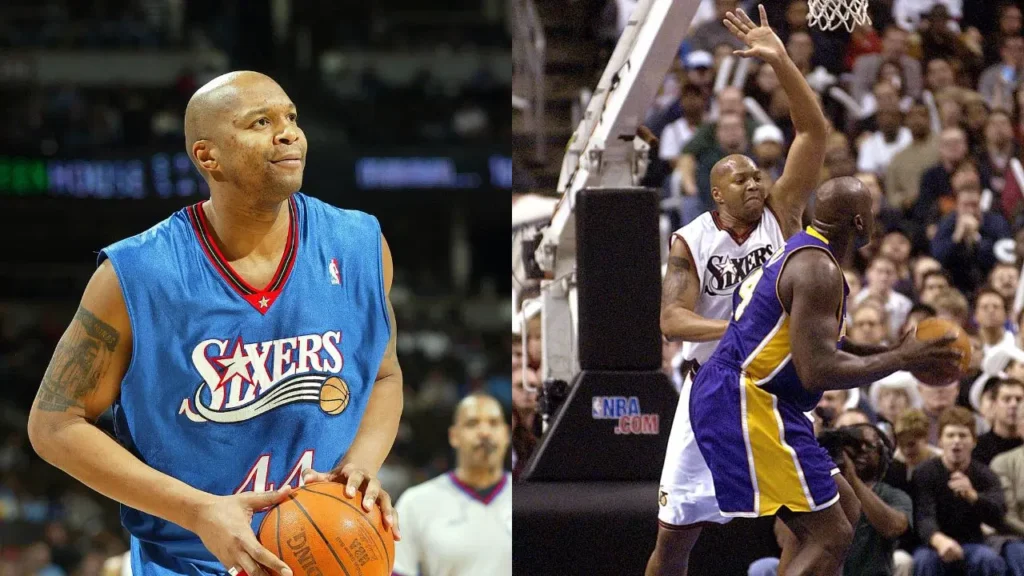
The year 2000 marked a pivotal moment in basketball history, and the NBA Finals was about to serve up drama that fans would never forget. As the Los Angeles Lakers faced off against the Indiana Pacers, an iconic incident unfolded—one that has since become etched into NBA lore: Shaq Time Out. This wasn’t just a casual moment; it became a symbol of dominance, confusion, and ultimately, lessons learned on one of sports’ biggest stages.
Shaquille O’Neal was already known for his sheer size and power on the court. But during Game 1 of those finals, he delivered more than just points; he served up unforgettable memories packed with excitement. What transpired during that game changed not only perceptions about him but also affected the entire series.
Join us as we revisit this legendary encounter and unpack everything from Shaq’s performance to that infamous time out—a moment filled with tension and triumph that still sparks discussions among fans today. Let’s dive deep into this iconic chapter in NBA history!
Setting the Stage: The 2000 NBA Finals
The 2000 NBA Finals were a clash of titans. The Los Angeles Lakers, led by the unstoppable Shaquille O’Neal and an emerging Kobe Bryant, were riding high on success. Their chemistry was electric, and they had one goal in mind: to secure the championship.
On the other side stood the Indiana Pacers. With Reggie Miller’s sharpshooting prowess and a tenacious defense, they aimed to dethrone the mighty Lakers. This matchup promised excitement as both teams brought their unique styles to the court.
Game 1 took place at Staples Center—a venue buzzing with anticipation. Fans filled every seat, eager for a showdown that pitted Hollywood glamour against Midwest grit. Little did anyone know that this game would deliver more than just basketball; it would serve up moments of pure drama that fans still talk about today.
Shaq’s Dominance on the Court
Shaquille O’Neal was a force of nature during his prime. His size, strength, and agility redefined what it meant to be an NBA center.
When he entered the court, defenders often felt overwhelmed. Standing at 7 feet 1 inch tall and weighing over 300 pounds, Shaq struck fear into opposing players.
His footwork was surprisingly nimble for someone of his stature. He could dominate in the paint with powerful dunks or deft post moves that left opponents guessing.
During crucial games in the 2000 season, Shaq showcased his ability to turn up the heat when it mattered most. Every rebound he snatched and every shot he blocked sent a message: this was his territory.
Fans were captivated as they watched him convert field goals at an astonishing rate. That dominance became pivotal in securing wins for the Lakers throughout their championship run.
The Lakers vs Pacers Game 1: A Close Matchup
Game 1 of the 2000 NBA Finals showcased an exhilarating battle between the Los Angeles Lakers and the Indiana Pacers. The atmosphere was electric, with fans on both sides buzzing with anticipation.
From tip-off, it was clear that neither team planned to back down. Shaquille O’Neal dominated inside, but the Pacers countered with their own star power. Reggie Miller’s sharpshooting kept Indiana in striking distance.
Every possession felt crucial as leads changed hands multiple times throughout the game. The intensity built as each quarter unfolded. Coaches shouted instructions while players pushed themselves to their limits.
As time ticked away in a tightly contested affair, both teams fought for every rebound and loose ball. It was a classic display of basketball grit and determination, setting up drama that would resonate far beyond this single matchup.
The Infamous Time Out
The moment is etched in NBA history. The 2000 Finals, Lakers versus Pacers. Tension filled the air as both teams battled for supremacy.
With seconds left on the clock, Shaquille O’Neal stood at the free-throw line. The crowd held its breath. A pivotal play was unfolding.
Suddenly, a timeout call rang out. Confusion spread like wildfire through the arena. Fans questioned: why now? Why interrupt this crucial moment?
Shaq’s face told a story of uncertainty and frustration but also resolve. He knew how critical every second was in that high-stakes game and still chose to pause. It sparked conversations across sports networks for weeks.
That infamous timeout shifted not just momentum, but perceptions about Shaq himself—a man known for his dominant presence suddenly caught in an unexpected spotlight of doubt and reflection amidst roaring cheers and gasps from fans everywhere.
Aftermath and Impact of Shaq’s Time Out
The aftermath of Shaq’s Time Out resonated throughout the NBA. Fans and analysts debated its significance for years. Some viewed it as a pivotal moment that showcased the unpredictability of sports.
Shaquille O’Neal, despite his earlier dominance, faced criticism. The spotlight shifted to his decision-making during high-pressure situations. It raised questions about leadership on such a grand stage.
Meanwhile, the Lakers rallied from this incident. They used it as fuel to push through the series with renewed determination. Their resilience became part of their championship narrative.
The moment also highlighted how quickly fortunes can change in basketball. A single lapse could alter perceptions and outcomes drastically.
Media outlets seized upon this story, amplifying its impact beyond just one game. Shaq’s Time Out became emblematic of both triumph and folly in professional sports culture, serving as a reminder that even legends have their off nights.
Analysis of Shaq’s Decision
Shaquille O’Neal’s decision to call a time out during the critical moments of Game 1 raised eyebrows. At first glance, it seemed like an impulsive choice. Yet, there’s more beneath the surface.
In high-pressure situations, players often rely on instinct. Shaq was no stranger to pressure but this moment felt different. The stakes were immense; he needed clarity amidst chaos.
His time-out allowed his teammates to regroup mentally and physically. This small break could have been pivotal for strategy adjustments. It also gave them a chance to breathe and refocus their energy.
However, critics pointed out that it might have stemmed from uncertainty rather than leadership confidence. In those fleeting seconds, one can question if he prioritized individual needs over team dynamics.
This incident serves as an intriguing case study in sports psychology—how decisions made under stress can shape both game outcomes and legacies.
Lessons Learned from Shaq’s Time Out Moment
Shaq’s Time Out moment teaches us about the importance of focus. In high-pressure situations, distractions can derail even the most talented athletes.
Teamwork is crucial. Shaquille O’Neal’s decision impacted not just him but his teammates as well. Communication on and off the court ensures everyone remains aligned during critical moments.
This incident also highlights accountability. Owning up to mistakes fosters growth in any field, whether sports or business.
Fans appreciate authenticity. When players show their true selves—mistakes included—they create a deeper connection with audiences.
Shaq’s experience underscores resilience. Every setback offers a chance for comeback and improvement; how one bounces back defines future success.
Conclusion
The 2000 NBA Finals provided a backdrop filled with tension and excitement. Shaquille O’Neal’s unforgettable moment, known as the “Shaq Time Out,” remains etched in basketball history. It not only showcased his dominance but also highlighted how split-second decisions can resonate through time.
From his unmatched performance on the court to that pivotal game against the Pacers, every detail matters. The infamous time out was more than just a brief pause; it became emblematic of both pressure and spontaneity at its peak.
Fans still analyze Shaq’s choice during those tense moments, debating what could have been done differently or if he made the right call at all. That single decision serves as a reminder of how even legends face challenges that test their instincts.
Lessons emerge from this iconic scene: sometimes taking a step back is necessary, even when everything feels chaotic around you. Embracing vulnerability can lead to unexpected insights and growth.
The legacy of “Shaq Time Out” continues to inspire players and fans alike, reminding everyone about the unpredictable nature of sports—and life itself.