

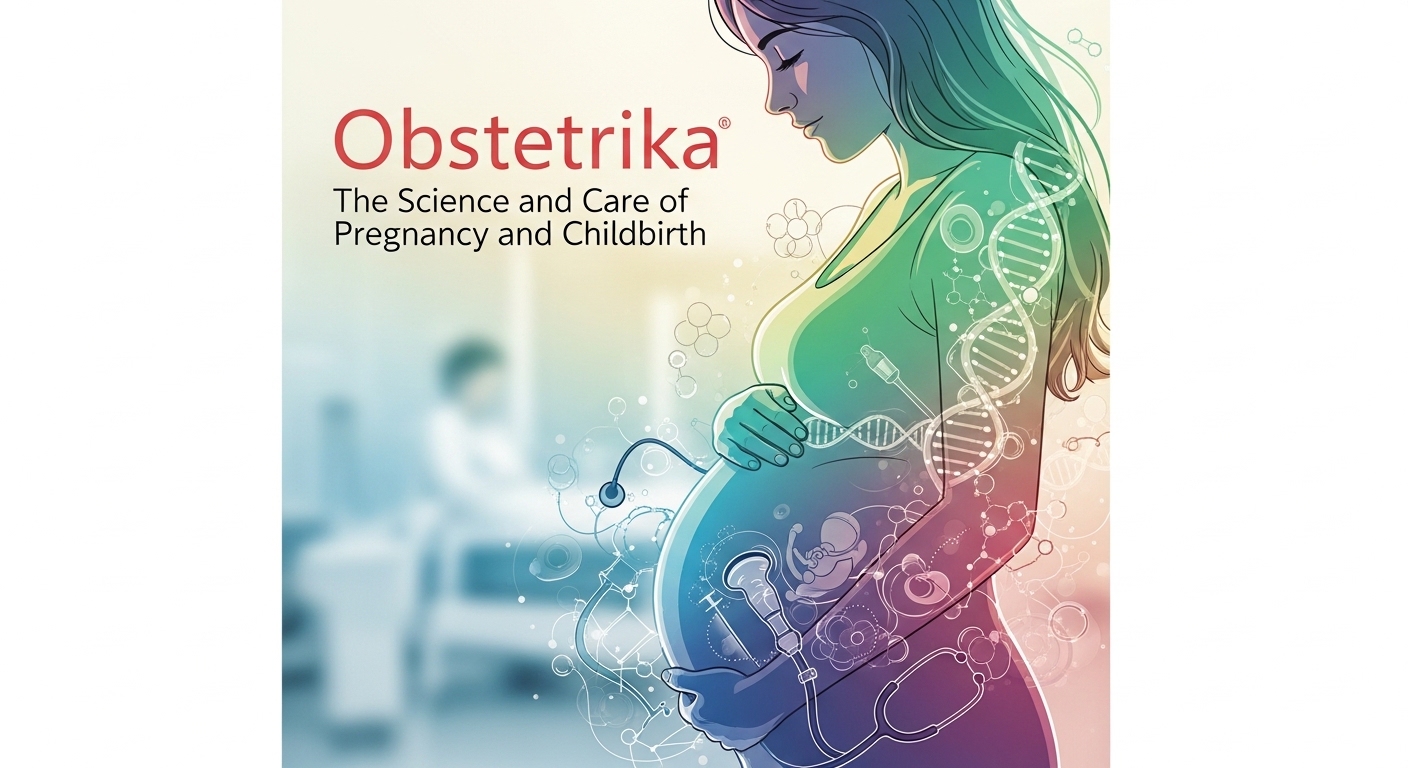
Obstetrika, commonly known in English as obstetrics, is the branch of medicine dedicated to pregnancy, childbirth, and the postpartum period. It focuses on the health and well-being of both the mother and the developing baby, guiding families through one of life’s most significant experiences.
Obstetrics is closely related to gynecology, and together they form the medical specialty often referred to as OB-GYN.
What Is Obstetrics?
Obstetrics is a medical field concerned with:
-
Monitoring pregnancy
-
Managing labor and delivery
-
Preventing and treating complications
-
Providing postpartum care
The physician specializing in this field is called an obstetrician.
Historical Development of Obstetrics
Childbirth has been part of human history for thousands of years, but scientific obstetrics developed gradually. In earlier times, midwives provided most childbirth care. With the advancement of medical knowledge in the 18th and 19th centuries, obstetrics became a recognized medical discipline.
The development of antiseptic techniques, anesthesia, and surgical procedures significantly reduced maternal and infant mortality rates. In the 20th century, technological innovations such as ultrasound further transformed prenatal care.
Prenatal Care
Prenatal care is a cornerstone of obstetrika. Regular checkups during pregnancy help ensure healthy development and early detection of potential complications.
Key aspects of prenatal care include:
-
Routine physical examinations
-
Ultrasound imaging to monitor fetal growth
-
Blood and urine testing
-
Nutritional guidance
-
Screening for genetic or developmental conditions
Consistent medical supervision improves outcomes for both mother and child.
Labor and Delivery
Obstetrics plays a crucial role during labor and childbirth. Obstetricians assess:
-
The progress of labor
-
Fetal heart rate and maternal condition
-
Pain management options
-
The need for medical interventions
Delivery may occur vaginally or through cesarean section (C-section) when medically necessary. The primary goal is the safety of both mother and baby.
Postpartum Care
The postpartum period, often referred to as the fourth trimester, is equally important. Obstetrika addresses:
-
Physical recovery after childbirth
-
Monitoring for infections or complications
-
Emotional well-being and postpartum mental health
-
Breastfeeding support
Comprehensive postpartum care ensures a smoother transition into parenthood.
Common Obstetric Complications
While many pregnancies progress normally, obstetrics also manages complications such as:
-
Gestational diabetes
-
Preeclampsia
-
Preterm labor
-
Placental abnormalities
-
Multiple pregnancies (twins or more)
Early diagnosis and timely intervention are critical in these cases.
Technology in Modern Obstetrika
Modern obstetrics benefits greatly from medical technology, including:
-
High-resolution ultrasound imaging
-
Fetal monitoring systems
-
Advanced surgical techniques
-
Neonatal intensive care units (NICUs)
These advancements have significantly improved survival and health outcomes.
The Role of Ethics and Patient-Centered Care
Obstetrika is not only about medical procedures but also about emotional and ethical considerations. Respect for patient autonomy, informed consent, and cultural sensitivity are essential aspects of care.
A supportive, patient-centered approach helps families feel informed and empowered throughout the pregnancy journey.
The Future of Obstetrics
The future of obstetrika may include:
-
Improved genetic screening technologies
-
Personalized prenatal medicine
-
Enhanced maternal mental health support
-
Greater global access to safe childbirth services
Ongoing research aims to reduce maternal and neonatal mortality worldwide.
Conclusion
Obstetrika is a vital medical field dedicated to safeguarding mothers and babies during pregnancy, childbirth, and beyond. Through scientific advancement, compassionate care, and technological innovation, obstetrics continues to improve outcomes and enrich the experience of bringing new life into the world.
As healthcare evolves, the importance of skilled obstetric care remains central to public health and family well-being.
 Leo
Leo