
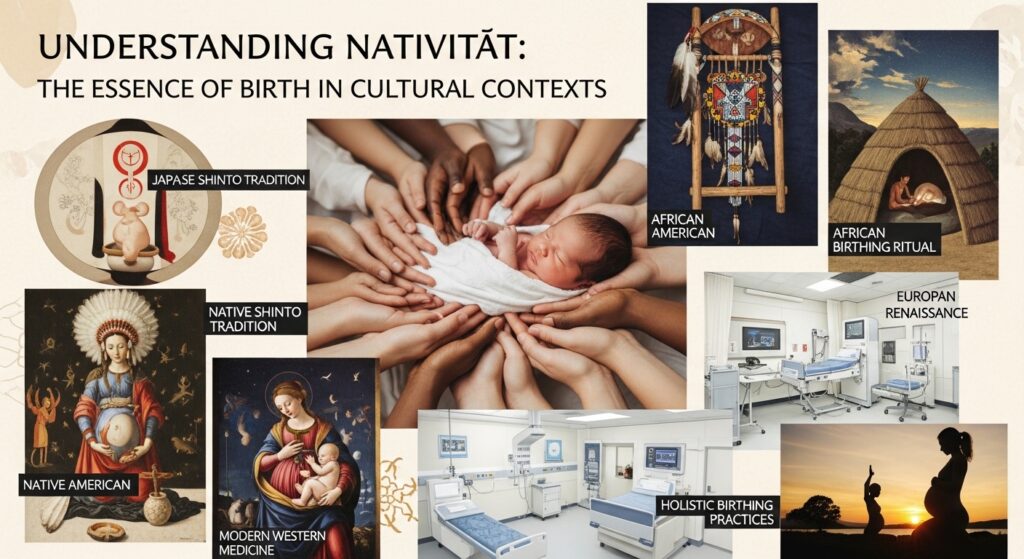
Birth is a profound experience, both biologically and culturally. The word “nativität” captures this essence beautifully, symbolizing not just the act of being born but the traditions, rituals, and significance surrounding it across different cultures. From ancient ceremonies to modern celebrations, nativität serves as a lens through which we can explore our shared humanity.
Throughout history, birth has been celebrated in various forms—each imbued with unique customs that reflect societal values and beliefs. As we delve into the realm of nativität, we’ll uncover how these rituals have evolved and what they reveal about us as individuals and communities.
Join me on this journey to understand nativität better. Let’s explore its cultural significance worldwide while examining its impact in today’s fast-paced society. Prepare to discover stories that resonate deeply with our collective experiences—stories that honor life itself!
The Evolution and Cultural Significance of Birth Rituals
Birth rituals have transformed significantly over centuries, reflecting the values and beliefs of different societies. In ancient cultures, these rituals often involved communal gatherings where families celebrated the arrival of a new life. They were steeped in symbolism and spirituality.
As societies evolved, so did their customs surrounding birth. For many, the transition from home births to hospital deliveries marked a shift toward medicalization. Despite this change, cultural significance remained intact through traditions passed down generations.
Rituals like naming ceremonies or welcoming parties still hold meaning today. They reinforce community bonds and celebrate family heritage. The use of specific symbols also varies widely; some cultures incorporate elements like water or fire to signify purity and protection for the newborn.
Understanding these practices sheds light on how deeply intertwined birth is with cultural identity, highlighting its role as more than just a biological event but rather a cherished milestone that shapes communities.
Nativität in Different Cultures: A Comparative Analysis
Nativität manifests uniquely across cultures. In many Indigenous communities, birth is celebrated as a sacred event. Rituals often involve the participation of elders who pass down wisdom to new parents.
In contrast, some Western societies focus on medicalizing the birthing process. Hospitals and technology dominate, shifting attention from communal support to clinical efficiency.
Asian cultures frequently incorporate ancestral practices into childbirth rituals. The presence of family members plays a crucial role in ensuring spiritual harmony during this transformative time.
African traditions may include vibrant ceremonies that emphasize community involvement. Songs and dances are integral parts of welcoming new life, reinforcing social bonds.
Each culture’s approach reflects its values and beliefs about life itself. This diversity enriches our understanding of nativität, reminding us that how we celebrate birth can shape societal structures profoundly.
The Impact of Modern Society on Nativität Practices
Modern society has reshaped the way we perceive nativität. Traditional rituals often face challenges from fast-paced lifestyles and technological advancements. Families may prioritize convenience over the meaningful customs passed down through generations.
Urbanization plays a significant role, too. Many individuals find themselves distanced from their cultural roots as they move to cities for opportunities. This migration leads to a blending of practices, where unique elements are lost or altered in favor of mainstream celebrations.
Social media further complicates matters by introducing new norms and trends that can overshadow traditional rites. Celebrating birth might become more about aesthetics than authentic experiences, with families curating moments for online sharing rather than genuine connection.
Despite these shifts, many still seek ways to honor their heritage amidst modernity’s chaos. Some communities adapt their traditions while others work diligently to preserve them against fading into obscurity.
Controversies Surrounding Nativität
Controversies surrounding nativität often ignite passionate discussions. Different cultural interpretations can clash, particularly regarding rituals and beliefs associated with birth.
Some argue that modern practices dilute traditional values. This shift raises questions about authenticity in celebrating life’s beginnings.
Additionally, the commercialization of birth-related ceremonies leads to debates about consumerism over meaningful traditions. Many feel that this trend undermines spiritual significance.
Health practices during childbirth also stir controversy. Natural versus medicalized approaches reveal deep divides in communities around what constitutes a ‘proper’ welcome into the world.
Social media further complicates these issues by amplifying differing opinions, making it easier for misinformation to spread rapidly.
As cultures evolve, so too do their views on nativität, leading to ongoing discussions that challenge established norms and invite new perspectives on age-old customs.
Preserving and Honoring Nativität Traditions
Preserving nativität traditions requires a collective effort from communities. Families play a crucial role by passing down stories and customs related to birth. These narratives are often rich with symbolism, connecting generations.
Local celebrations can breathe life into these rituals. Festivals centered around childbirth not only honor the newborn but also strengthen communal bonds. They serve as platforms for sharing wisdom between elders and new parents.
Education is vital in this preservation journey. Workshops that focus on traditional practices can empower younger generations to embrace their cultural heritage meaningfully.
Incorporating modern elements can also help keep traditions relevant without losing their essence. Art, music, and storytelling reflect the evolving nature of nativität while still paying homage to its roots.
Honoring these customs fosters identity and belonging within diverse societies worldwide.
Conclusion
Understanding nativität offers a window into the profound significance of birth across various cultures. Each tradition brings its own unique practices, highlighting the universal joy and complexity surrounding new life. As we navigate modern society, these ancient rituals face challenges but also opportunities for revival and adaptation.
The essence of nativität resonates deeply within us all. It is more than just the act of birth; it embodies hope, continuity, and connection to our roots. Preserving these traditions while embracing change can enrich our understanding of what it means to bring new life into this world.
Exploring nativität encourages respect for diverse cultural heritages and reminds us that every birth story carries weighty meaning. Celebrating these moments helps strengthen community ties and fosters an appreciation for life’s beginnings across different societies. The journey of nativität continues to evolve, inviting everyone to participate in this timeless narrative.