
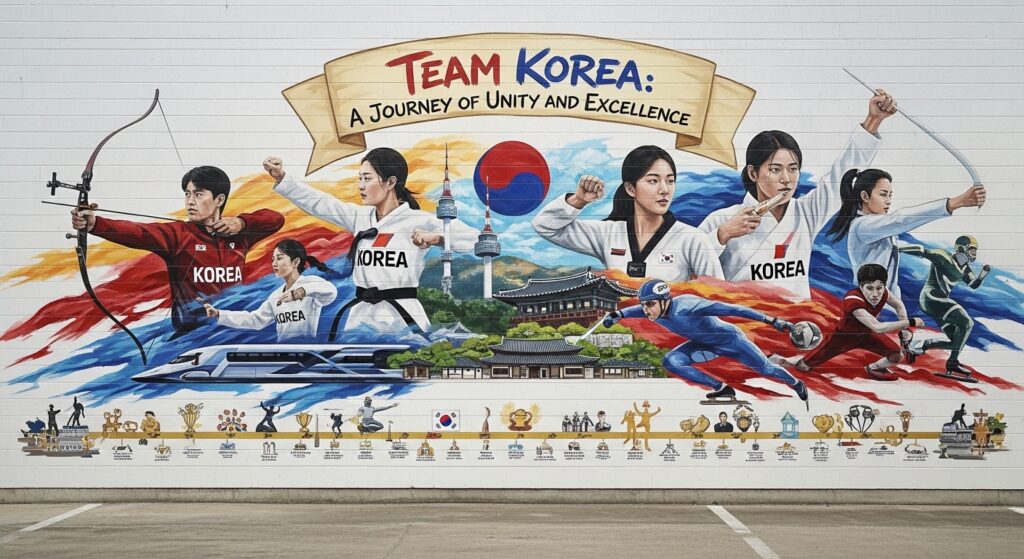
Team Korea is more than just a collection of athletes; it embodies the spirit, resilience, and unity of a nation. From exhilarating victories to heart-wrenching defeats, Korean sports have woven themselves into the cultural fabric of both North and South Korea. The journey of Team Korea reflects not only athletic excellence but also a shared dream that transcends borders. As we explore this vibrant narrative, we’ll uncover the rich history behind Korean sports, celebrate remarkable achievements by its athletes, and highlight how these moments resonate deeply within society. Join us as we delve into the world of Team Korea and discover what makes this collective so special on the international stage.
The History of Korean Sports
Korean sports have deep historical roots that date back centuries. Traditional games like Ssireum, a form of wrestling, showcase the physical prowess and cultural heritage of Korea.
During the Joseon Dynasty, archery gained prominence as both a sport and an art form. It was not just about skill; it represented discipline and focus.
As Western influences grew in the late 19th century, new sports began to emerge on Korean soil. Football and baseball quickly captured public interest, leading to organized leagues.
The mid-20th century marked a turning point with the establishment of national teams. South Korea participated in international competitions for the first time, showcasing its athletic talent to the world.
Throughout this evolution, sports became more than mere competition—they transformed into symbols of national pride and unity for Koreans across the peninsula.
The Rise of South Korean Athletes
South Korean athletes have transformed the global sports landscape in recent years. Their dedication and hard work have led to remarkable achievements across various disciplines.
From figure skating to archery, their talents shine brightly on international stages. Athletes like Kim Yuna and Park Tae-hwan became icons, inspiring countless young individuals to pursue their dreams.
Investment in sports infrastructure has played a crucial role in this rise. With modern facilities and training programs, South Korea nurtures its talent from an early age.
Furthermore, the nation’s strong emphasis on education fosters discipline and resilience among athletes. These qualities are essential for success at competitive levels.
The support from fans adds fuel to their journey. Spectators rally behind Team Korea during pivotal moments, creating an electrifying atmosphere that pushes athletes beyond limits.
This collective spirit unites all Koreans while propelling them towards excellence in every competition they enter.
North and South Korea’s Joint Participation in International Sporting Events
The collaboration between North and South Korea in international sporting events marks a remarkable chapter in their shared history. This unity transcends politics and celebrates the spirit of sports.
One notable instance was during the 2018 PyeongChang Winter Olympics. Athletes from both countries marched together under a unified flag, symbolizing hope for peace. The world witnessed this historic moment with awe.
Joint training sessions have also taken place, fostering camaraderie among athletes. These interactions allow them to exchange techniques and strategies, enhancing their performance on the global stage.
Moreover, such partnerships extend beyond just athletics. They create opportunities for cultural exchanges that promote understanding between two nations historically at odds.
This collaborative effort reflects a desire for harmony through sportsmanship, offering glimpses of what future relations could look like when competition gives way to unity and friendship.
The Impact of Sports on Korean Society and Culture
Sports have become a vibrant thread in the fabric of Korean society. They serve as a powerful medium for unity and national pride, transcending age and background.
From traditional games like taekwondo to modern spectacles such as K-pop idol soccer matches, sports are deeply woven into cultural expressions. They foster community spirit while showcasing Korea’s rich heritage.
Moreover, international sporting events create occasions for South Koreans to rally together, celebrating their athletes’ achievements on the world stage. Such moments amplify feelings of belonging and identity among citizens.
The influence extends beyond physical activity; it shapes attitudes toward teamwork, discipline, and perseverance. Youngsters look up to athletes not just as competitors but also as role models who inspire them to dream big.
In recent years, sports have sparked discussions around gender equality too. Female athletes are gaining recognition and respect across various disciplines, challenging stereotypes along the way.
Challenges Faced by Team Korea
Team Korea encounters various challenges that shape its sports landscape. One significant hurdle is the political divide between North and South Korea. This division often complicates collaboration efforts in training and competition.
Athletes also face immense pressure to perform at high levels. The expectations from fans, government, and media can be overwhelming. This stress sometimes affects mental health, leading to burnout or anxiety among competitors.
Additionally, funding disparities exist within different sports disciplines. Some athletes struggle for resources while others enjoy ample support. This inconsistency can impact training opportunities and overall performance.
Injuries are another common challenge faced by Team Korea’s athletes. High-stakes competitions demand rigorous physical preparation, increasing the risk of injuries that could sideline promising talents.
As global competition intensifies, staying ahead becomes more difficult. Other nations invest heavily in their athletic programs, raising the bar for what it means to excel on an international stage.
Future Goals and Aspirations for Team Korea
Team Korea looks ahead with ambition and determination. The focus is on fostering young talent while enhancing training programs across various sports disciplines.
Innovative coaching methods are being adopted to ensure athletes are well-prepared for international competition. This investment in future stars holds the promise of elevating Korea’s presence in world sports.
Collaboration between North and South Korea also plays a critical role in shaping Team Korea’s future aspirations. Joint training camps and shared resources pave the way for unity through sport, fostering goodwill beyond athleticism.
Moreover, embracing technology will be crucial. From advanced analytics to wearable tech, leveraging these tools can help optimize performance and minimize injury risks.
The dream of consistent podium finishes at global events drives motivation within Team Korea, igniting a collective effort that reflects both national pride and sporting excellence.
Conclusion
Team Korea embodies a spirit of unity and excellence that transcends borders. From its rich history in sports to the remarkable rise of athletes from both North and South Korea, this journey has been inspiring. The collaboration seen during international events showcases not only athletic prowess but also the potential for reconciliation.
The impact of sports on Korean society is profound. It fosters national pride, creates shared experiences, and inspires future generations. While challenges exist—be it political tensions or resource disparities—the resilience of Team Korea continues to shine through.
Looking ahead, the aspirations for Team Korea remain ambitious yet grounded. There is a collective hope to not only excel in more competitions but also bridge divides through the universal language of sport. This journey represents much more than just medals; it’s about fostering peace and understanding across cultures.
As Team Korea moves forward, the world will undoubtedly be watching closely, eager to witness what unfolds next on this remarkable path.