
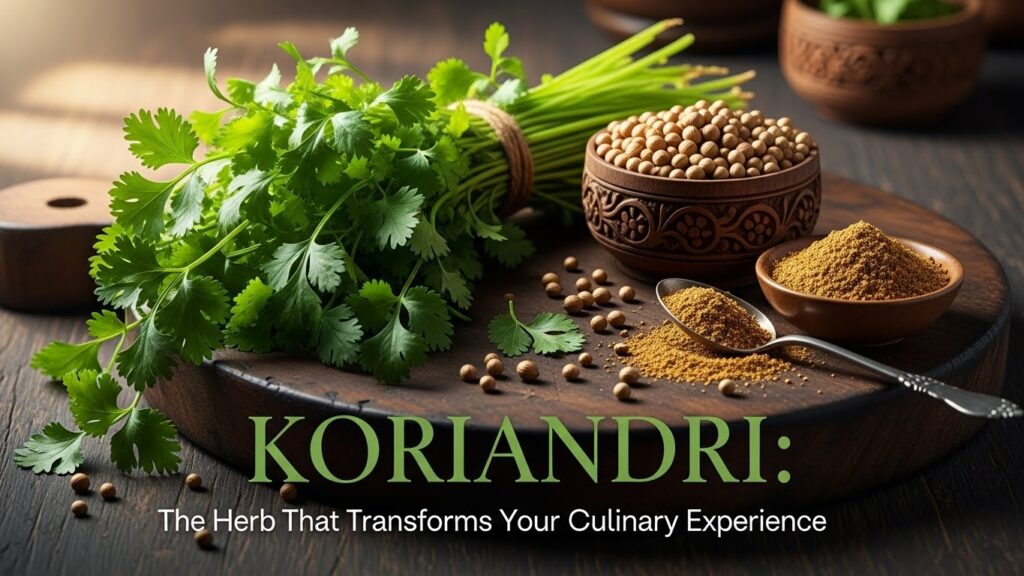
Koriandri, also known as cilantro, is more than just a garnish on your favorite dishes—it’s a vibrant herb that can elevate your culinary creations to new heights. With its unique flavor profile and versatile nature, koriandri has captured the hearts (and taste buds) of food lovers around the world. Whether you’re drizzling it over tacos or stirring it into soups, this aromatic herb adds freshness and depth to any meal. But there’s so much more to koriandri than meets the eye; from its rich history in various cultures to its impressive health benefits, this humble herb deserves a spot in every kitchen. So grab your chopping board and let’s explore why koriandri should become an essential ingredient in your cooking repertoire!
The History and Cultural Significance of Koriandri
Koriandri, commonly known as cilantro, boasts a rich history that spans across various cultures and continents. Its origins trace back to the Mediterranean and the Middle East, where ancient civilizations revered it for both culinary and medicinal purposes.
In India, koriandri is more than just an herb; it’s woven into the fabric of traditional cuisine. Used in curries and chutneys, its bright flavor enhances dishes while also symbolizing freshness and vitality.
Similarly, in Mexican culture, koriandri stands out as a key ingredient in salsas and guacamole. It represents not only taste but also community gatherings where food plays a central role.
The herb has even made appearances in ancient texts. The Egyptians used it during embalming rituals due to its aromatic properties. Such historical significance highlights how koriandri transcends mere seasoning; it’s deeply embedded in cultural practices around the world.
Health Benefits of Koriandri
Koriandri, commonly known as cilantro, offers a range of health benefits that make it a valuable addition to your diet. Rich in vitamins A, C, and K, this herb supports the immune system and promotes healthy skin.
The antioxidants found in koriandri help combat oxidative stress. This can lead to improved overall health and potentially lower the risk of chronic diseases.
Additionally, koriandri has anti-inflammatory properties. It may reduce symptoms associated with conditions like arthritis or inflammatory bowel disease.
This herb also aids digestion. Including it in meals can stimulate appetite and promote better nutrient absorption.
Some studies suggest that koriandri might help lower blood sugar levels. Incorporating it into your meals could be beneficial for those managing diabetes or looking to maintain stable energy levels throughout the day.
How to Incorporate Koriandri in Cooking
Koriandri, or cilantro, is a versatile herb that can elevate numerous dishes. Its fresh flavor complements both raw and cooked meals beautifully.
Start by adding chopped Koriandri to salads for a burst of brightness. It pairs well with greens, tomatoes, and avocados.
For salsas and guacamole, incorporate this herb generously. The zesty notes enhance the overall taste profile remarkably.
When cooking soups or stews, toss in whole stems early on for depth of flavor. Reserve some leaves to sprinkle just before serving for an added freshness.
Don’t forget about marinades! Blend Koriandri with garlic, lime juice, and olive oil for an aromatic kick that works wonders on meats and vegetables alike.
Consider using it as a garnish on tacos or curries. A simple sprinkle transforms your dish into something special each time you cook.
Delicious Recipes Using Koriandri
Koriandri is a versatile herb that can elevate countless dishes. One popular recipe is the vibrant cilantro lime rice. Simply cook your rice, then mix in fresh chopped koriandri and a squeeze of lime juice for a zesty side.
For those craving something hearty, try making a spicy koriandri chutney. Blend fresh koriandri with green chilies, garlic, lemon juice, and salt to create an irresistible dip or spread.
Tacos are another canvas for this fragrant herb. Top your favorite tacos with finely chopped koriandri to enhance flavors and add freshness.
Don’t forget about salads! Toss together diced tomatoes, cucumber, onion, and generous amounts of koriandri for a refreshing salsa or salad that bursts with flavor.
These recipes showcase how Koriandri can transform ordinary meals into extraordinary culinary experiences.
Growing Your Own Koriandri Plant
Growing your own koriandri plant is a rewarding experience. With just a little effort, you can enjoy fresh cilantro right from your garden or windowsill.
Start by choosing well-draining soil and a sunny spot. Koriandri loves sunlight, so aim for at least six hours of direct light each day.
Plant the seeds about half an inch deep, spacing them a few inches apart. Water lightly but consistently to keep the soil moist without saturating it.
As your plants grow, thin out weaker seedlings to give stronger ones room to flourish. Harvest leaves regularly; this encourages new growth and keeps the plant healthy.
Koriandri has a quick life cycle, typically maturing in three weeks. Enjoying fresh herbs adds flavor and freshness to any dish while nurturing your green thumb along the way!
Conclusion: Why You Should Add Koriandri to Your Kitchen Arsenal
Koriandri, or cilantro, is more than just a garnish on your plate. Its vibrant flavor and aroma can elevate any dish, making it an essential ingredient in many cuisines around the world. Beyond its culinary appeal, Koriandri offers numerous health benefits that can enhance overall well-being.
Incorporating Koriandri into your cooking is simple and rewarding. Whether you use it fresh in salads or as a base for flavorful sauces, this herb brings dishes to life with its unique taste profile. With so many delicious recipes at your fingertips, exploring the versatility of Koriandri will only enrich your culinary journey.
For those who enjoy gardening, growing your own Koriandri plant can be both fulfilling and practical. Imagine stepping outside to snip fresh leaves right before preparing dinner—there’s nothing quite like it.
Adding Koriandri to your kitchen arsenal opens up a world of flavors while supporting healthy eating habits. Embrace this remarkable herb and watch how it transforms not only your meals but also the way you experience food.