
Nestled in the heart of cultural heritage, Çbiri is more than just a name; it’s an emblem of history, tradition, and community. This fascinating subject invites us on a journey through its vibrant past and enriching present. As we peel back the layers of Çbiri, we’ll uncover unique practices that have stood the test of time while also exploring how contemporary society has embraced these traditions. Whether you’re familiar with Çbiri or hearing about it for the first time, prepare to dive deep into its mystique and discover what makes this cultural phenomenon so captivating. From historical roots to modern celebrations, let’s embark on an adventure that showcases the essence of Čbiri!
The Origins and History of Çbiri
Çbiri traces its roots back centuries, deeply embedded in the cultural tapestry of its region. Historical texts reveal that it began as a local tradition among small communities. Over time, these practices evolved into a significant aspect of regional identity.
The legends surrounding Çbiri are rich and varied. They speak of ancient rituals performed to honor nature and community ties. Such stories have been passed down through generations, enriching the lore associated with this fascinating cultural phenomenon.
Archaeological findings indicate that Çbiri has influenced various art forms, from music to dance. Each manifestation reflects the values and beliefs of those who practice it. This historical backdrop adds layers to our understanding of what Çbiri represents today, illustrating how past traditions shape current customs and social connections within communities.
Cultural Significance and Traditions Surrounding Çbiri
Çbiri is more than a celebration; it embodies the essence of community. Rooted deeply in local traditions, this cultural phenomenon brings people together to honor shared values and history.
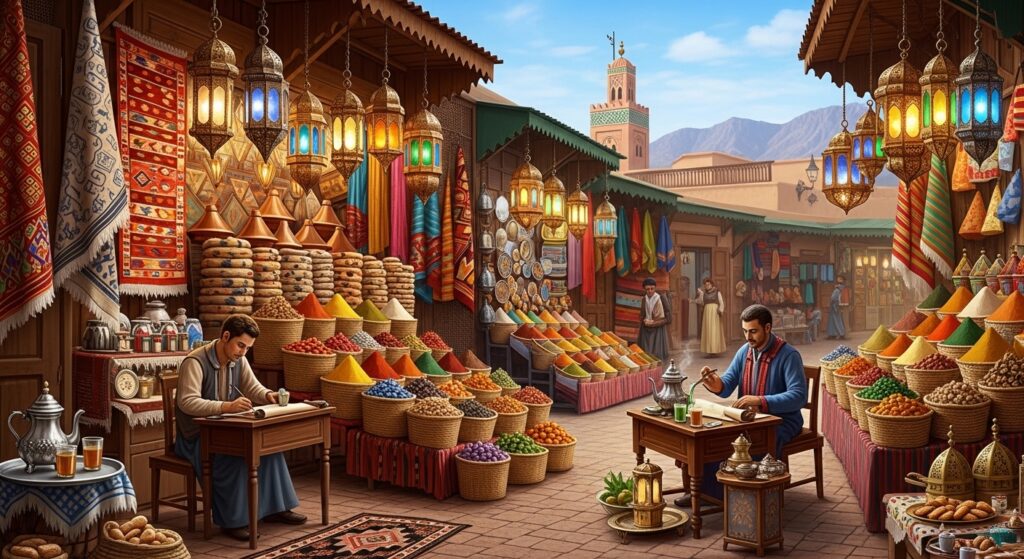
One of the most striking aspects of Çbiri is its vibrant rituals. Participants often dress in colorful attire that reflects their heritage, showcasing intricate patterns passed down through generations. Music and dance play significant roles, with traditional songs echoing the stories of ancestors.
Food also holds a critical place during these gatherings. Special dishes are prepared using family recipes that have stood the test of time, reinforcing bonds among generations.
Ceremonies tied to Çbiri vary across regions but share common themes—unity, respect for nature, and gratitude towards life’s blessings. Each tradition serves as a reminder of what connects individuals within their communities while honoring those who came before them.
Modern Day Celebrations and Festivals of Çbiri
Modern celebrations of Çbiri are vibrant and full of life. Each year, communities come together to honor their rich heritage with a variety of festivals that showcase traditional music, dance, and art.
One highlight is the annual Çb-iri Festival held in late summer. This event attracts visitors from across the region. Local artisans display handcrafted goods while food stalls offer authentic dishes steeped in history.
Music fills the air as performers celebrate through song and dance. Traditional instruments resonate with ancient melodies, creating an atmosphere of joy and nostalgia.
Children play games inspired by age-old customs, ensuring that younger generations connect with their roots. These festivities not only preserve cultural identity but also foster community spirit among participants.
As night falls, enchanting light displays illuminate the surroundings. The celebration continues into the evening with storytelling sessions that keep oral traditions alive for all to hear.
The Impact of Çbiri on Local Communities and Economy
Çbiri plays a pivotal role in shaping local communities. It fosters unity and cultural pride among residents, bringing people together through shared traditions.
The economic impact is also significant. Festivals centered around Çbiri attract tourists from various regions, boosting local businesses like crafts, food, and accommodations. Vendors often thrive during this time.
Moreover, artisans skilled in traditional crafts benefit from the popularity of Çbiri. Their work gains visibility and appreciation as more visitors seek authentic souvenirs that reflect the culture’s essence.
Additionally, community initiatives often arise to support Çb-iri celebrations. These efforts create jobs and provide opportunities for youth engagement. Through workshops and events, younger generations learn about their heritage while contributing to the economy.
The influence of Çb-iri extends beyond tradition; it nurtures social bonds and stimulates financial growth within these vibrant communities.
Misconceptions and Controversies Surrounding Çbiri
Çbiri often faces various misconceptions that distort its true essence. Many people assume it is merely a festival, overlooking its deeper cultural roots. This misunderstanding leads to a superficial appreciation of its significance.
Some critics argue that Çbiri has become commercialized over the years. While tourism has surged, many locals believe this growth dilutes the authenticity of their traditions. They fear that commercialization may overshadow genuine practices and rituals.
Another controversy surrounds participation in Çbiri events. Outsiders sometimes feel unwelcome or unsure about how to engage respectfully. The delicate balance between inclusivity and preserving cultural integrity creates tension within communities.
Discussions around gender roles in Çbiri also arise frequently. Traditional expectations can clash with modern views, prompting debates about equality and representation during celebrations.
These nuances make understanding Çbiri complex but essential for appreciating its rich heritage fully.
Preserving the Legacy of Çbiri: Efforts for Cultural Conservation
Preserving the legacy of Çbiri is an ongoing endeavor. Various organizations and local communities are actively engaging in cultural conservation efforts. They aim to safeguard traditional practices, ensuring that future generations embrace their rich heritage.
Workshops and educational programs help immerse younger audiences in the traditions of Çbiri. Through storytelling, music, and dance, participants connect with their roots on a deeper level. This hands-on approach creates enthusiasm for continued participation in the culture.
Additionally, documentation projects play a vital role. Researchers are gathering oral histories and archiving artifacts related to Çb-iri’s past. These resources provide valuable insights into its significance while fostering appreciation among locals and visitors alike.
Collaboration between government bodies and NGOs further supports these initiatives. Grants enable various events that celebrate Čb-iri while promoting awareness beyond regional borders—a necessary step toward sustaining its relevance in modern society.
Conclusion
Çbiri is more than just a tradition; it embodies the essence of a community. Its rich history and cultural significance continue to resonate through generations, providing a sense of identity and belonging. As we explore its modern celebrations, we see how Çbiri adapts yet remains true to its roots, drawing people together in joy and reverence.
The economic impact on local communities cannot be overlooked either. By fostering tourism and supporting local artisans, Çbiri plays a vital role in sustaining livelihoods while promoting cultural exchange.
Despite facing misconceptions and controversies over time, efforts for preservation are strong. Many individuals and organizations are dedicated to ensuring that the legacy of Çbiri endures for years to come.
As interest grows globally, embracing this mystique becomes essential. It invites us all to appreciate diversity within culture while recognizing our shared humanity through traditions like Çbiri that connect us across boundaries.