

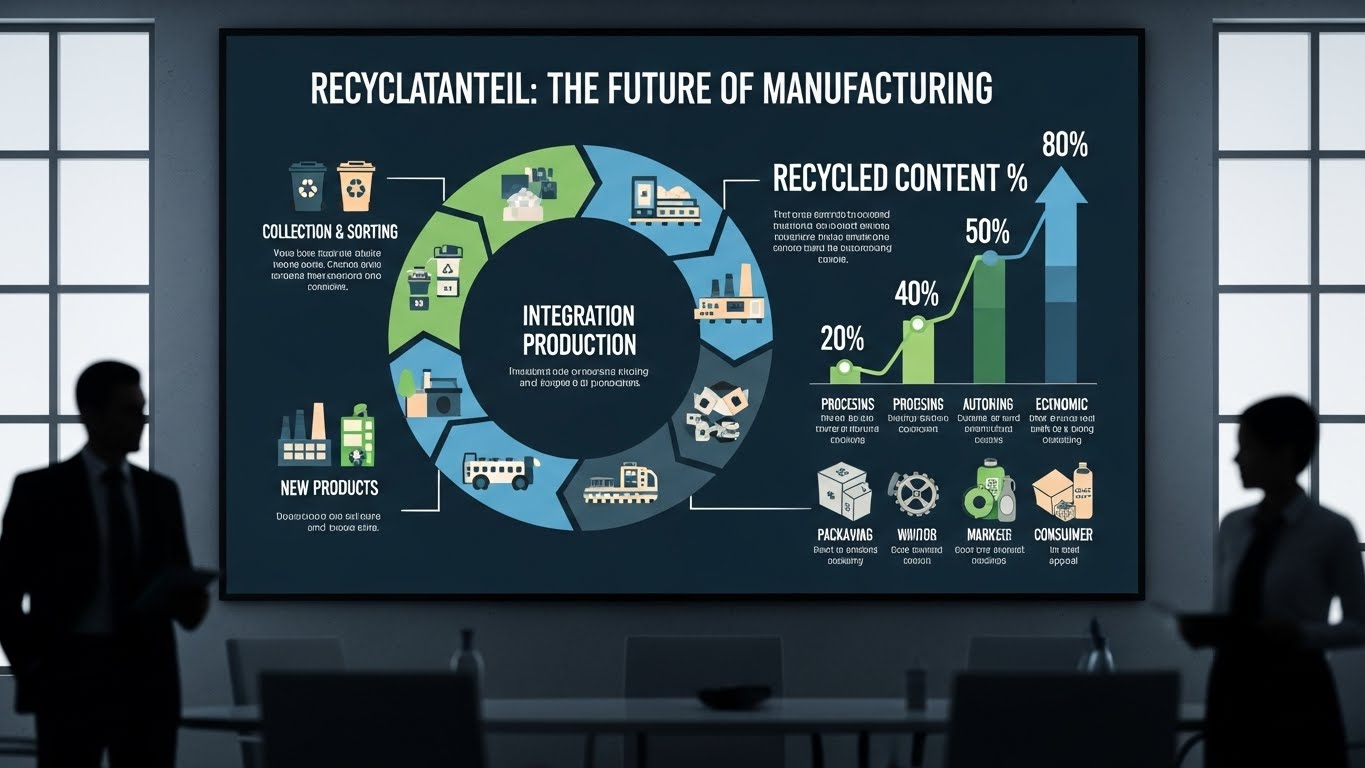
As the world grapples with the consequences of climate change and resource depletion, sustainable manufacturing has emerged as a critical focus for industries worldwide. At the heart of this movement lies a concept that is gaining traction: Recyclatanteil. This term, which refers to the proportion of recycled materials used in production processes, plays a pivotal role in reshaping how companies approach sustainability. But why does it matter? Understanding Recyclatanteil isn’t just about meeting regulations or improving brand image; it’s about creating a more responsible future for our planet.
In an age where consumers are increasingly prioritizing eco-friendly practices, businesses must adapt to stay relevant and competitive. The integration of Recyclatanteil into manufacturing can significantly reduce waste while minimizing environmental impact. As we delve deeper into this topic, you’ll discover not only its importance but also practical ways to implement it effectively within your operations. Whether you’re an industry veteran or new to sustainable practices, grasping the significance of Recyclatanteil could be your gateway to innovation and responsibility in production. Let’s explore what makes this concept so essential today!
The Role of Recyclatanteil in Reducing Waste and Environmental Impact
Recyclatanteil plays a crucial role in minimizing waste. By integrating recycled materials into manufacturing processes, companies can significantly decrease the volume of new resources needed. This shift not only conserves natural resources but also reduces energy consumption.
Using Recyclatanteil helps lower greenhouse gas emissions during production. When less energy is required to process raw materials, manufacturers contribute to a cleaner environment. Each step towards sustainability matters in combating climate change.
Moreover, incorporating Recyclatanteil fosters innovation within industries. Companies are motivated to develop new technologies and methods for recycling materials effectively. This creativity leads to more efficient practices and sustainable products that resonate with eco-conscious consumers.
The ripple effect extends beyond individual businesses; entire supply chains benefit from adopting higher recyclate content. As demand for sustainable practices rises, industries collectively work toward reducing their environmental footprint while meeting consumer expectations.
Common Misconceptions about Recyclatanteil
Many people believe that recyclatanteil refers only to the use of recycled materials in products. While this is a significant aspect, it encompasses much more than just material sourcing.
Another misconception is that higher recyclatanteil always means lower quality. In reality, advancements in technology and processing have significantly improved the integrity of products made with recycled content.
There’s also a widespread idea that increasing recyclatanteil is too costly for manufacturers. However, integrating sustainable practices can lead to long-term savings through reduced waste disposal fees and resource efficiency.
Some assume that measuring recyclatanteil is complicated or not worth the effort. Yet, straightforward metrics exist to track progress effectively, making it easier for companies to adopt these practices.
Many think consumers don’t care about recyclatanteil when choosing products. Research shows an increasing preference for environmentally friendly options among shoppers today.
How to Measure and Increase Recyclatanteil in Manufacturing Processes
Measuring Recyclatanteil in manufacturing processes requires a systematic approach. Start by assessing the current material usage. Identify what percentage of your materials are recycled versus virgin resources.
Once you have this baseline data, set clear targets for improvement. These could involve increasing the recyclatanteil by a specific percentage within a defined timeframe.
Implementing tracking systems can help monitor progress effectively. Use software or inventory management tools that provide real-time insights into material flows and recycling rates.
Engaging with suppliers is crucial too. Collaborate to source higher percentages of recyclable materials or incorporate post-consumer waste into your products.
Training staff on best practices also plays a pivotal role. Workshops and training sessions can raise awareness about the importance of recyclatanteil, empowering employees to contribute ideas for enhancement.
Regular audits will ensure compliance with new goals and reveal areas needing attention, fostering continuous improvements in sustainability initiatives.
Case Studies: Successful Implementation of Recyclatanteil in Various Industries
In the automotive industry, a leading manufacturer embraced Recyclatanteil by integrating recycled materials into their production processes. This not only reduced costs but also significantly lowered their carbon footprint. By utilizing post-consumer plastics, they enhanced vehicle durability while promoting sustainability.
The fashion sector has witnessed a revolution thanks to brands prioritizing Recyclatanteil. One renowned label created an entire clothing line from recycled textiles, proving that style and sustainability can coexist harmoniously. The initiative attracted environmentally conscious consumers and set new industry standards.
Even in construction, companies are leveraging Recyclatanteil effectively. A major developer implemented recycled aggregates in concrete mixtures for urban projects. This innovative approach minimized waste and showcased how modern building practices can align with eco-friendly principles.
These examples highlight the versatility of Recyclatanteil across various sectors, demonstrating its potential to drive positive change while maintaining profitability.
Challenges and Solutions for Implementing Recyclatanteil in Manufacturing
Implementing Recyclatanteil in manufacturing isn’t without its hurdles. One significant challenge is the quality of recycled materials. Manufacturers often find that recycled content may not meet their strict specifications, leading to potential product failures.
Another obstacle is cost. Many companies perceive recycling processes as expensive compared to traditional methods. This misconception can deter investment in sustainable practices.
However, solutions exist. Investing in advanced sorting and processing technologies can improve material quality significantly. By enhancing the recycling infrastructure, manufacturers can ensure a reliable supply of high-quality recyclates.
Additionally, fostering partnerships with suppliers encourages innovation and reduces costs over time. Educating stakeholders about the long-term benefits of integrating Recyclatanteil into production helps shift perspectives toward sustainability’s profitability.
Adopting a phased approach allows gradual implementation without overwhelming existing systems or workforce capabilities while showcasing early successes to build momentum for broader adoption within organizations.
Conclusion
The concept of Recyclatanteil is gaining traction in the manufacturing world. As businesses strive for sustainability, understanding its importance becomes essential. It serves as a vital component in reducing waste and minimizing environmental impact.
Many misconceptions surround Recyclatanteil. Some believe it compromises product quality while others think it’s only relevant to specific industries. However, with proper education and implementation, these myths can be dispelled.
Measuring and increasing Recyclatanteil isn’t as daunting as it seems. Manufacturers can use various metrics and methods to assess their current levels. By incorporating recycled materials into production processes, they not only improve their environmental footprint but also enhance brand image.
Numerous case studies highlight successful implementations across different sectors—demonstrating that embracing Recyclatanteil leads to innovative solutions and improved efficiency.
Challenges are inevitable when integrating more recycled content into products or processes. Yet, many companies have found creative ways to overcome these obstacles through collaboration with suppliers and investment in technology.
As industries continue evolving toward sustainable practices, the focus on Recyclatanteil will remain crucial for a greener future where resources are valued rather than discarded.
 Leo
Leo