

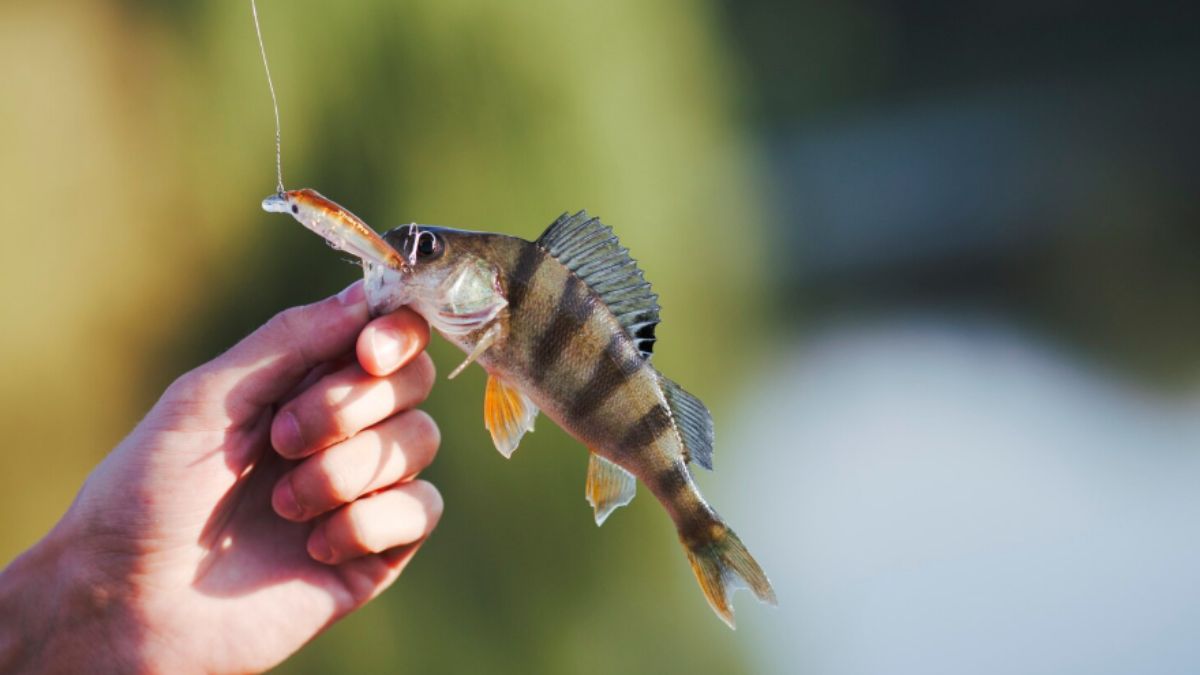
Introduction to Rooster Fish
When it comes to thrilling fishing experiences, few species capture the imagination quite like the Rooster Fish. With their distinctive dorsal fins that resemble a rooster’s comb and their striking beauty, these fish are not just a visual delight but also offer an exhilarating challenge for anglers. Found primarily in warm coastal waters of Central America and parts of Mexico, Rooster Fish have earned a reputation as one of the most sought-after game fish.
Understanding their behavior can make all the difference between landing your dream catch and coming home empty-handed. Whether you’re an experienced angler or just starting out, getting to know Rooster Fish is essential. Join us as we delve into their habitat, feeding patterns, and effective techniques that will elevate your fishing game to new heights. Let’s unlock the secrets behind catching these magnificent creatures!
Habitat and Behavior
Rooster fish thrive in warm ocean waters, primarily found along the Pacific coasts of Central America. Their preferred habitats include sandy bottoms and rocky structures near shorelines. These areas provide both shelter and hunting grounds.
These fish are known for their striking dorsal fins, which resemble a rooster’s comb. This unique feature isn’t just for show; it plays a role in attracting mates and intimidating rivals.
Rooster fish are often seen hunting in small groups or alone, drawing upon their keen instincts to ambush prey. They exhibit curious behavior, sometimes following boats or engaging with unexpected disturbances on the water’s surface.
Their agility is impressive, allowing them to make swift turns while chasing down baitfish. Understanding these behaviors can significantly enhance your fishing strategy when pursuing this remarkable species.
Understanding Rooster Fish Feeding Patterns
Rooster fish are fascinating predators with distinct feeding patterns. They primarily hunt near the shore, where they can ambush smaller fish. Their sharp eyesight helps them spot prey from a distance.
These fish tend to be more active during specific times of day. Early mornings and late afternoons see the most action. During these periods, rooster fish will aggressively chase baitfish like sardines and mullet.
Interestingly, they often work in packs when hunting. This group behavior allows them to corner schools of baitfish effectively, making their hunting efforts more successful.
Tides also play a crucial role in their feeding habits. Rooster fish typically feed more actively around the high tide when food is abundant along the coastlines.
Understanding these nuances can significantly improve your chances of landing one on your next fishing adventure.
Best Techniques and Baits for Catching Rooster Fish
Catching Rooster Fish requires a blend of skill and strategy. Live bait is often the go-to choice for many anglers. Mullet, sardines, or even small jacks can attract these aggressive predators effectively.
If you prefer lures, poppers and swimbaits work wonders too. The noisy splashes created by poppers mimic distressed prey, triggering an instinctive chase response in Rooster Fish. Bright colors tend to catch their attention quickly.
Trolling near rocky structures or sandy beaches enhances your chances of success. These areas provide natural habitats where Rooster Fish hunt for food.
Pay close attention to the tides as well; early mornings and late afternoons are prime times when they’re most active. Adjusting your approach based on environmental conditions can make all the difference in landing that trophy fish you’ve been dreaming about!
Tackling Challenges while Fishing for Rooster Fish
Fishing for rooster fish can be exhilarating, but it also presents unique challenges. These fish are known for their fierce behavior and cunning tactics.
One of the biggest hurdles is their sharp eyesight. Rooster fish often see anglers before they even cast a line. Staying stealthy is essential to increase your chances of a successful catch.
Additionally, these species thrive in rough waters and strong currents. This environment requires skillful navigation and understanding of tides to locate them effectively.
Choosing the right time to fish plays a crucial role as well. Early mornings or late evenings tend to yield better results when rooster fish are more active near the surface.
Staying patient and adaptable can make all the difference while fishing for these dynamic creatures. Flexibility in technique or bait choice may lead you closer to that exciting catch you’ve been waiting for.
Conservation Efforts for Rooster Fish
Conservation efforts for Rooster Fish have been gaining momentum in recent years. These stunning creatures play a vital role in their marine ecosystems, and protecting them is crucial.
Organizations and local communities are working together to promote sustainable fishing practices. Initiatives include catch-and-release programs that help maintain healthy populations while allowing anglers to enjoy the thrill of the chase.
Education also plays a key role. Many fishermen are now learning about responsible fishing techniques and the importance of respecting seasonal limits. This awareness helps ensure that future generations can experience the excitement of catching Rooster Fish.
Habitat preservation is equally important. Efforts to protect coastal areas from pollution and overdevelopment contribute significantly to maintaining healthy environments where Rooster Fish thrive.
By supporting these initiatives, anglers can enjoy their passion while contributing positively to marine life conservation efforts.
Conclusion
Rooster fish are one of the most sought-after species by anglers due to their unique appearance and challenging nature. Understanding their behavior, habitat, and feeding patterns plays a crucial role in successfully catching these magnificent creatures.
Equipped with knowledge about the best techniques and baits can enhance your chances significantly. Remember that fishing for rooster fish often comes with challenges, but persistence and adaptability can lead to rewarding experiences on the water.
As conservation efforts continue to protect this species, it’s essential for all anglers to practice sustainable fishing methods. By respecting regulations and taking care of our marine environments, we ensure future generations enjoy thrilling encounters with rooster fish just as we do today.
Whether you’re an experienced angler or a novice looking for adventure, embracing what makes rooster fish special will enrich your fishing journey.