

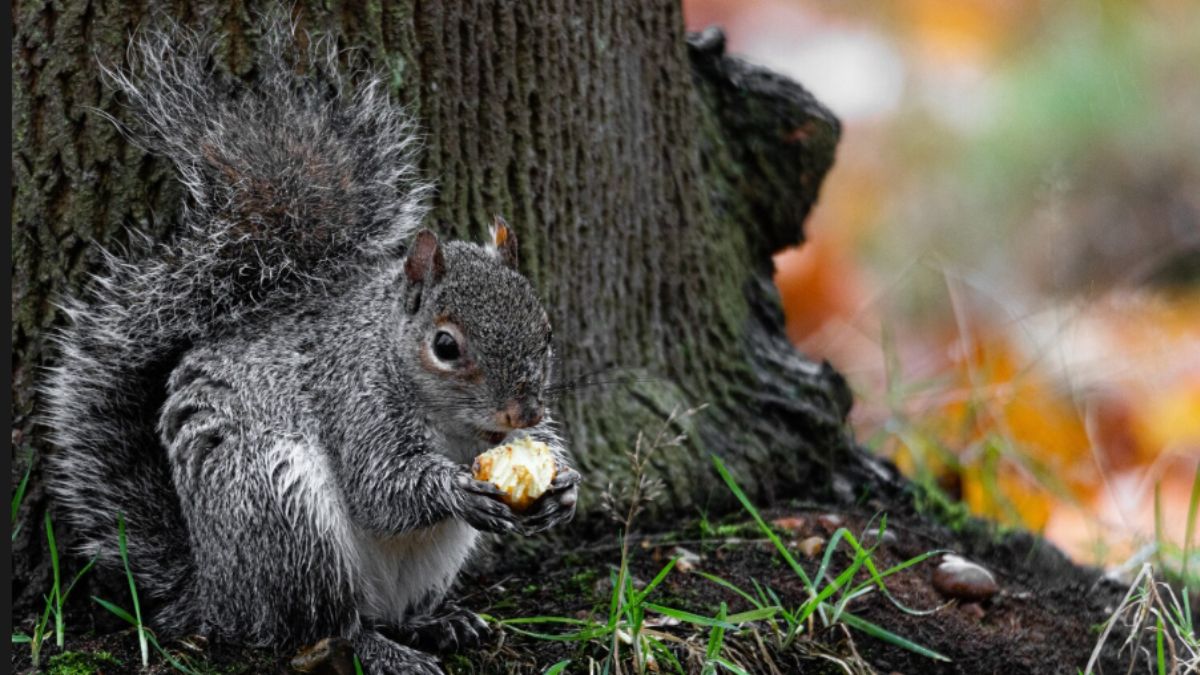
Introduction to black squirrels and their unique appearance
Have you ever caught a glimpse of a black squirrel darting across your yard? These little creatures, with their striking ebony fur and lively antics, are not just an ordinary sight. Black squirrels have become somewhat of a local celebrity in many neighborhoods, captivating the hearts of wildlife enthusiasts and casual observers alike. But what makes them so special? From their intriguing history to their unique behaviors, there’s much more to these charming critters than meets the eye. Let’s dive into the fascinating world of black squirrels and uncover what truly sets them apart!
The history of black squirrels and their origins
Black squirrels have a fascinating history that traces back to North America. They are actually a melanistic variant of the eastern gray squirrel, which means their dark coloration is due to an excess of pigment.
The origins of this striking fur color can be linked to genetic mutations. These variations likely provided advantages in certain environments, such as urban areas where darker colors help with camouflage against predators and blend into shadows.
Historically, black squirrels were more commonly found in the northern regions of North America. Over time, they began migrating southward and westward, thriving in various habitats along the way.
Their presence was noted by early settlers who marveled at these unique creatures. Today, black squirrels continue to capture our attention with their distinctive appearance and spirited antics.
Physical characteristics and behavior of black squirrels
Black squirrels are striking in appearance. Their glossy black fur sets them apart from their gray cousins. This dark coat can range from jet black to a softer charcoal hue, often with hints of brown.
These squirrels are medium-sized, typically weighing between 1 and 1.5 pounds. Their bushy tails help balance them as they navigate trees with agility.
Behaviorally, black squirrels exhibit fascinating traits. They are known for being quite bold compared to other species. Often seen foraging during the day, they will cache food for later use—storing nuts and seeds in various locations.
Socially, these creatures can be territorial but also form loose groups when resources are plentiful. They communicate through chattering sounds and tail movements, signaling alerts or expressing curiosity about their surroundings.
This mix of physical uniqueness and intriguing behavior makes black squirrels an unforgettable sight in any park or forest landscape.
How black squirrels adapt to their environment
Black squirrels exhibit remarkable adaptability, allowing them to thrive in diverse environments. Their dark fur provides excellent camouflage against predators in densely wooded areas, making it easier for them to stay hidden.
These agile creatures are also skilled climbers. They can maneuver through trees with ease, foraging for nuts and seeds while escaping danger. Their strong hind legs enable rapid escapes when threatened.
In urban settings, black squirrels have learned to navigate human structures. They scavenge from bird feeders and gardens, becoming resourceful opportunists. This flexibility allows them to tap into food sources that other wildlife might overlook.
Moreover, their breeding habits adjust based on environmental conditions. Black squirrels may have more offspring during years of abundant resources, ensuring the survival of their lineage even as circumstances change around them.
The role of black squirrels in their ecosystem
Black squirrels play a vital role in their ecosystems, acting as natural gardeners. As they forage for nuts and seeds, they inadvertently plant trees. When they bury food caches and forget about them, those seeds can sprout into new plants.
These creatures are also a food source for various predators. Hawks, owls, and even coyotes rely on black squirrels as part of their diet. This connection helps maintain a balanced ecosystem.
Their behavior aids in seed dispersal, promoting biodiversity within forests and urban areas alike. By moving through different habitats, black squirrels contribute to the growth of varied plant species.
Additionally, their interactions with other wildlife foster community dynamics among forest dwellers. Every nibble on an acorn or sprint across a tree branch has far-reaching implications that support the greater ecological framework around them.
Common misconceptions about black squirrels
Many people have misconceptions about black squirrels, often seeing them as a separate species. In reality, they are just a color variant of the eastern gray squirrel.
Some believe that black squirrels are less common than their gray counterparts. While they may appear rare in certain areas, their population varies widely across regions.
Another myth suggests that black squirrels are aggressive or unfriendly. However, like all animals, behavior depends largely on individual temperament and environmental factors.
Additionally, there’s a notion that these dark-furred creatures lack the same survival skills as other squirrels. Yet studies show that black fur can provide advantages in colder climates by absorbing more heat from sunlight.
These misunderstandings highlight how little we know about wildlife diversity and adaptation strategies among different animal populations.
Why black squirrels are loved by some and hated by others
Black squirrels evoke a range of emotions. Their striking fur and playful antics captivate many nature enthusiasts. People often find them charming, embodying the spirit of wildlife in urban settings.
Yet, not everyone shares this affection. Some view black squirrels as pests, particularly when they invade bird feeders or dig up gardens. This behavior can frustrate homeowners who want to protect their landscaping.
Cultural perceptions also play a role. In some communities, black squirrels symbolize good luck and prosperity. In contrast, others associate them with mischief or nuisance.
The divide between admiration and annoyance highlights our complex relationship with nature. Each encounter shapes personal opinions on these furry creatures, making them both loved and loathed in equal measure.
Conclusion: Appreciating the beauty and diversity of wildlife, including black squirrels
Wildlife is a tapestry of colors, shapes, and behaviors. Each species contributes to the richness of our ecosystems in its unique way. The black squirrel, with its striking dark fur and energetic antics, adds a special charm to our parks and neighborhoods.
As we observe these fascinating creatures, it’s essential to appreciate their role in nature. Black squirrels help disperse seeds and nuts, contributing to forest regeneration. Their presence serves as a reminder of the beauty found in diversity—both in wildlife and within our communities.
Whether you love them or find them bothersome, black squirrels invite us to pause and reflect on the intricate balance of life around us. They remind us that every creature has its place in the world’s grand design—a true testament to nature’s creativity. Embrace this diversity; it enriches our lives more than we often realize.