

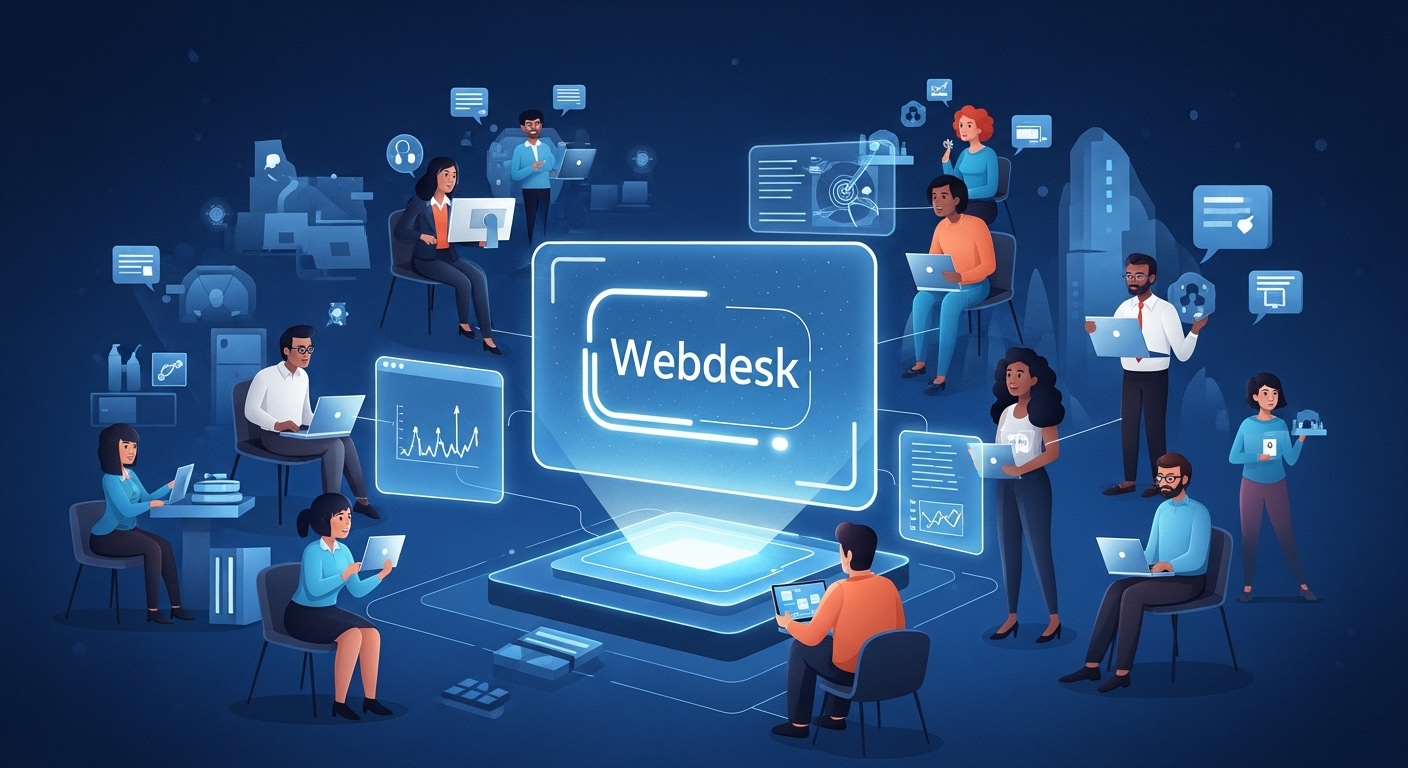
The way we work has transformed dramatically in recent years, with remote collaboration becoming the norm rather than the exception. Teams across the globe are embracing this shift, leveraging technology to stay connected from different corners of the world. But as convenient as virtual teamwork can be, many face challenges that can hinder productivity and morale.
From communication breakdowns to difficulties in project management, traditional methods often fall short. This is where innovative solutions step in to bridge those gaps and enhance team dynamics. One such game-changer is Webdesk—a platform designed specifically for remote collaboration that redefines how teams interact and work together, no matter their location. It’s time to explore how Webdesk revolutionizes remote collaboration for teams everywhere!
The challenges of traditional remote collaboration methods
Traditional remote collaboration methods often fall short in several areas. Communication can suffer when teams rely solely on emails and scattered messaging apps. Important information may get lost or misinterpreted, leading to confusion among team members.
Time zone differences add another layer of complexity. Coordinating meetings becomes a juggling act, resulting in frustration and delays. Teams find it challenging to engage fully when they can’t interact face-to-face.
Moreover, file sharing can become cumbersome without centralized systems. Team members often struggle with version control, which can lead to working off outdated documents.
Security is yet another concern as sensitive data gets exchanged over various platforms lacking proper safeguards. This creates vulnerabilities that could potentially harm the organization’s integrity.
These challenges highlight the need for more streamlined solutions designed specifically for modern collaborative environments.
What is Webdesk and how does it work?
Webdesk is an innovative platform designed to enhance remote collaboration among teams. It offers a centralized workspace where team members can connect, share, and manage projects effortlessly.
The platform operates on the cloud, meaning it’s accessible from anywhere with an internet connection. This flexibility allows teams to collaborate in real time without geographical barriers.
Users can create shared documents, track progress through task management tools, and hold virtual meetings all within one interface. The intuitive design makes onboarding quick for new users.
Additionally, Webdesk integrates seamlessly with other popular software applications. This means your existing tools can work together harmoniously while you leverage the unique features of Webdesk for streamlined communication and productivity.
Key features and benefits of using Webdesk for remote collaboration
Webdesk offers a seamless platform designed for efficient remote collaboration. One standout feature is its real-time document editing. This allows team members to work simultaneously, enhancing productivity and reducing version control issues.
Another significant benefit is the integrated communication tools. Users can chat, video call, or comment directly within projects. This keeps discussions contextual and minimizes the need for switching between multiple applications.
Task management is also simplified with Webdesk’s intuitive interface. Teams can assign tasks, set deadlines, and track progress without hassle.
Moreover, the cloud-based nature of Webdesk ensures access from anywhere at any time. This flexibility supports teams across different time zones and locations.
Robust security measures protect sensitive information while fostering collaboration among users securely. With these features combined, Webdesk transforms how teams interact in a remote environment.
Real-life success stories from companies using Webdesk
A leading marketing agency adopted Webdesk to streamline their project workflows. They reported a 40% increase in efficiency within just three months. Teams collaborated seamlessly, sharing files and ideas without the usual hassles.
In another instance, a tech startup faced challenges with remote communication. After implementing Webdesk, they noticed improved engagement among team members. Virtual brainstorming sessions became more productive, fostering creativity across departments.
An educational institution utilized Webdesk for managing online classes and student interactions. The platform enabled teachers to share resources effortlessly while students collaborated on group projects in real time.
These examples illustrate how diverse organizations harness Webdesk’s capabilities to enhance teamwork and drive success. Each story showcases unique transformations driven by innovative collaboration tools tailored for today’s work environment.
Comparison to other remote collaboration tools
When comparing Webdesk to other remote collaboration tools, its seamless integration stands out. Many platforms struggle with compatibility across different applications. Webdesk excels in creating a unified workspace, making it easier for teams to collaborate without jumping between apps.
Another advantage is user-friendliness. While some tools can be cumbersome or require extensive training, Webdesk offers an intuitive interface that new users can navigate effortlessly. This aspect significantly reduces onboarding time and enhances productivity from day one.
Additionally, the real-time collaboration feature of Webdesk sets it apart. It allows team members to work on projects simultaneously without lag or miscommunication—an area where many competitors fall short.
Security is another crucial factor. With increasing concerns around data privacy, Webdesk employs robust encryption methods that safeguard sensitive information better than many existing solutions in the market today.
These distinctions illustrate why organizations might prefer using Webdesk over traditional remote collaboration options.
How to get started with Webdesk and tips for maximizing its potential
Getting started with Webdesk is simple. First, sign up for an account on their website. You’ll find various plans to suit different team sizes and needs.
Once you’re in, take a moment to explore the interface. Familiarize yourself with the dashboard and key functionalities. This will help your team adapt quickly.
Next, invite your colleagues to join. Collaborating in real-time can enhance productivity right from the start.
To maximize its potential, integrate Webdesk with other tools you already use—like project management software or communication apps. This creates a seamless workflow.
Encourage regular check-ins through Webdesk’s features like task assignments and progress tracking. Consistent updates keep everyone aligned.
Provide feedback on your experience directly within the platform; this helps improve future updates while ensuring your team’s needs are met effectively.
Future advancements and developments in the world of remote collaboration
The future of remote collaboration is poised for transformative advancements. Innovations in artificial intelligence are set to enhance communication tools, making interactions more intuitive and efficient.
Virtual reality (VR) and augmented reality (AR) will play a pivotal role. These technologies promise immersive experiences that can replicate face-to-face meetings, fostering deeper connections among team members.
As security concerns grow, advanced cybersecurity measures will become essential. Companies will prioritize secure platforms to ensure sensitive information remains protected during digital interactions.
Integration with emerging technologies like blockchain could also reshape collaboration by providing transparent processes for project management and document sharing.
Collaboration tools will likely evolve to incorporate data analytics, offering insights into team productivity and engagement levels. This feature can help organizations tailor their approaches for maximum efficiency and satisfaction among remote workers.
Conclusion
Remote collaboration has changed the way teams operate. With tools like Webdesk, organizations can break down geographical barriers and enhance productivity. As we’ve explored, traditional remote methods often come with challenges that hinder efficiency and communication.
Webdesk offers a streamlined solution designed to address these hurdles. Its features empower teams to work together seamlessly, no matter where they are located. The success stories from companies leveraging Webdesk highlight its impact on collaboration and project delivery.
When compared to other tools in the market, Webdesk stands out for its unique functionalities tailored specifically for team dynamics. Getting started is straightforward, and with a few tips to optimize its usage, any organization can harness its full potential.
As technology continues to evolve, so will the landscape of remote collaboration. Innovations within platforms like Webdesk promise exciting developments ahead that will further redefine teamwork in a digital age. Embracing such advancements is key for businesses aiming to thrive in an increasingly connected world.
 Leo
Leo