

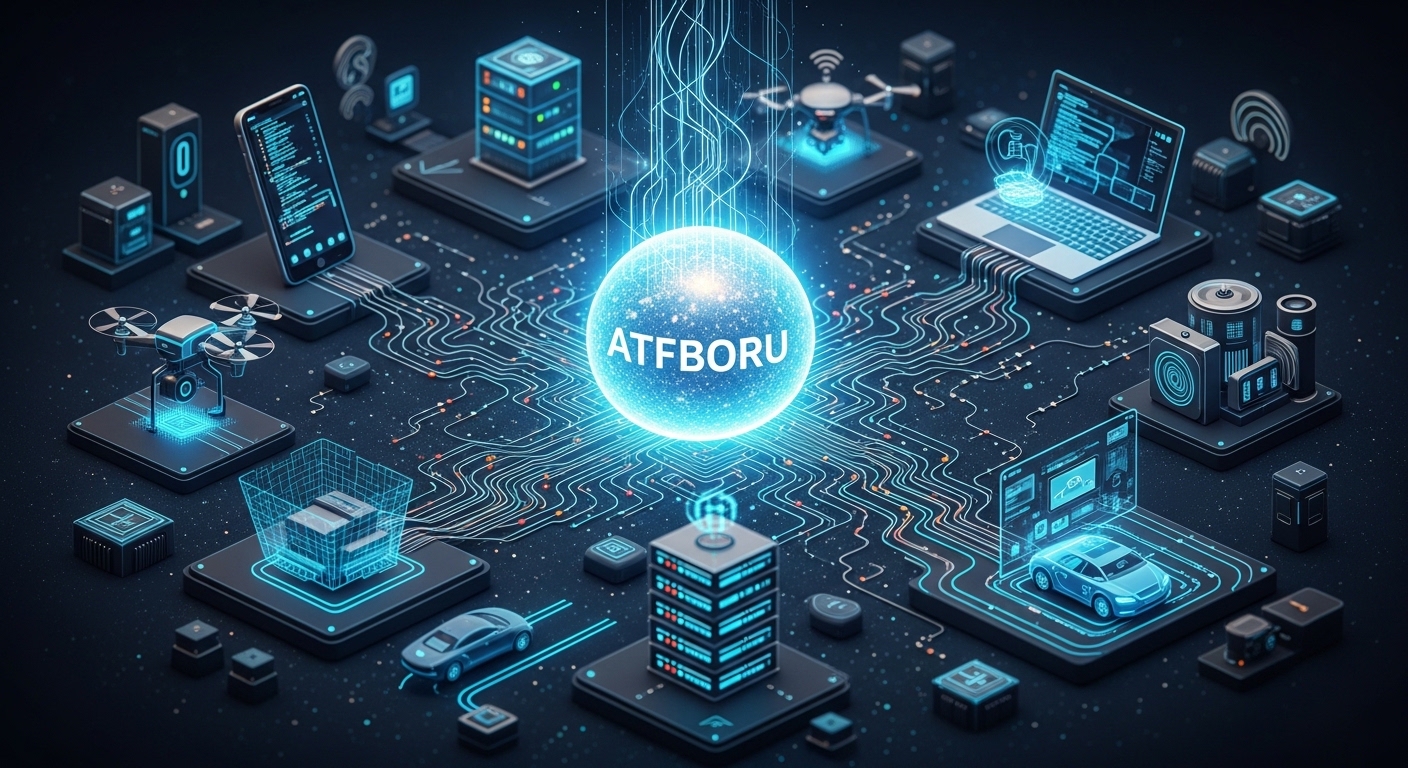
The digital age is thriving, fueled by innovations that reshape the way we interact with technology. Among these breakthroughs lies a term you may have heard—ATFBORU. But what exactly does it mean? As we navigate through an era marked by rapid advancements and constant connectivity, understanding ATFBORU becomes essential for anyone curious about modern tech trends. This concept has evolved significantly over time, impacting various sectors and enhancing our daily lives in ways we often overlook. Dive into this exploration of ATFBORU as we unravel its history, benefits, challenges, real-life applications, and future possibilities. Get ready to discover how this groundbreaking idea is transforming the technological landscape!
History and Evolution of ATFBORU
The journey of ATFBORU began in the early 2000s, rooted in advancements across various technology fields. Initially, it emerged as a concept to enhance data processing efficiency.
Over time, tech innovators recognized its potential. The integration of machine learning and artificial intelligence propelled ATFBORU forward. This combination allowed for unprecedented levels of automation and decision-making speed.
As the years progressed, developers refined their algorithms. They focused on increasing adaptability and user-friendliness. This evolution has made ATF-BORU more accessible to businesses of all sizes.
By embracing open-source frameworks, communities rallied around ATF-BORU’s growth. Collaborative efforts fueled innovations that expanded its capabilities beyond initial expectations.
Today, ATFBORU stands as a testament to technological evolution—a dynamic force driving industries towards greater efficiency and connectivity.
Benefits of ATFBORU in Modern Technology
ATFBORU has revolutionized the landscape of modern technology in various ways. One of its most significant benefits is enhanced efficiency. By streamlining processes, ATFBORU allows for faster data processing and task execution.
Another advantage lies in improved connectivity. Devices powered by ATFBORU can communicate seamlessly, paving the way for smarter networks and systems. This interconnectedness fosters collaboration across industries.
Cost reduction is also a key benefit of adopting ATFBORU technologies. Automating tasks often leads to lower operational expenses, allowing businesses to allocate resources more effectively.
Moreover, ATFBORU promotes innovation. Its adaptable framework encourages developers to create cutting-edge applications that push boundaries and explore new frontiers in technology.
The user experience has been elevated as well. With intuitive designs driven by ATFBORU principles, consumers find interactions smoother and more engaging than ever before.
Challenges and Criticisms of ATFBORU
While ATFBORU has ushered in significant advancements, it is not without challenges. One major concern is its complexity. Many users find the technology difficult to navigate, leading to a steep learning curve for adoption.
Security issues also loom large. As with any emerging technology, vulnerabilities may expose systems to cyber threats. Ensuring robust security protocols remains an ongoing battle.
Moreover, there are concerns around ethical implications. The integration of ATF-BORU can lead to unintended consequences in data privacy and user autonomy. Stakeholders must tread carefully as they balance innovation with responsibility.
Accessibility poses another hurdle. Not all demographics have equal access to the resources needed for effective implementation of ATFBORU technologies. This disparity could widen existing gaps rather than bridging them in society’s digital landscape.
Real-life Applications of ATFBORU
ATFBORU has made significant strides across various industries. One notable application is in healthcare, where it enhances diagnostic tools. By analyzing complex data patterns, ATF-BORU can assist doctors in identifying diseases earlier and more accurately.
In the automotive sector, ATFBORU optimizes vehicle performance through smart technology integration. It enables real-time monitoring of engine functions and driving conditions, allowing for improved safety features.
The financial industry also benefits from ATFBORU’s capabilities. Financial institutions use its algorithms for fraud detection and risk assessment. This leads to quicker decision-making processes that protect both banks and their customers.
Moreover, education systems are embracing ATFBORU to personalize learning experiences for students. Tailored educational content boosts engagement levels while addressing individual needs effectively.
These examples showcase just a few ways ATFBORU reshapes modern practices, proving its versatility and importance across multiple fields.
Future Possibilities and Developments
The future of ATFBORU is brimming with potential. As technology continues to advance, we can anticipate even more innovative applications.
Imagine a world where ATFBORU enhances artificial intelligence systems. This could lead to smarter decision-making processes in various sectors, from healthcare to finance.
Moreover, the integration of ATFBORU with IoT devices holds exciting prospects. It may streamline communication and data sharing between interconnected devices, creating seamless user experiences.
Another possibility lies in its role in cybersecurity. With increasing digital threats, ATF-BORU could provide robust solutions for safeguarding sensitive information.
Research into sustainable technologies might also benefit from ATFBORU’s principles. Its frameworks could drive eco-friendly innovations that address climate challenges effectively.
As experts continue to explore these avenues, the landscape of technology will surely transform in unexpected ways. The possibilities are endless and ripe for exploration.
Conclusion
The transformative power of ATFBORU is evident across various sectors. Its journey from inception to the modern era showcases not just technological advancements but also the profound impact on society as a whole. The benefits it brings—enhanced efficiency, improved connectivity, and new opportunities—cannot be overstated.
However, like any innovation, ATFBORU faces challenges and criticisms that need addressing. Ethical concerns and implementation hurdles are part of its narrative. These issues must be navigated carefully to ensure sustainable growth.
Real-life applications provide a tangible glimpse into how ATFBORU shapes industries today—from healthcare to finance and beyond. Companies leveraging this technology often find themselves ahead in competition, driving further interest and investment.
Looking forward, the future possibilities with ATFBORU appear promising. As research continues and technologies evolve, we can expect even more groundbreaking developments that will redefine our interaction with the digital world.
As we stand on this precipice of change spurred by ATFBORU, it’s clear that its influence will only grow deeper in our lives moving forward.
 Leo
Leo