

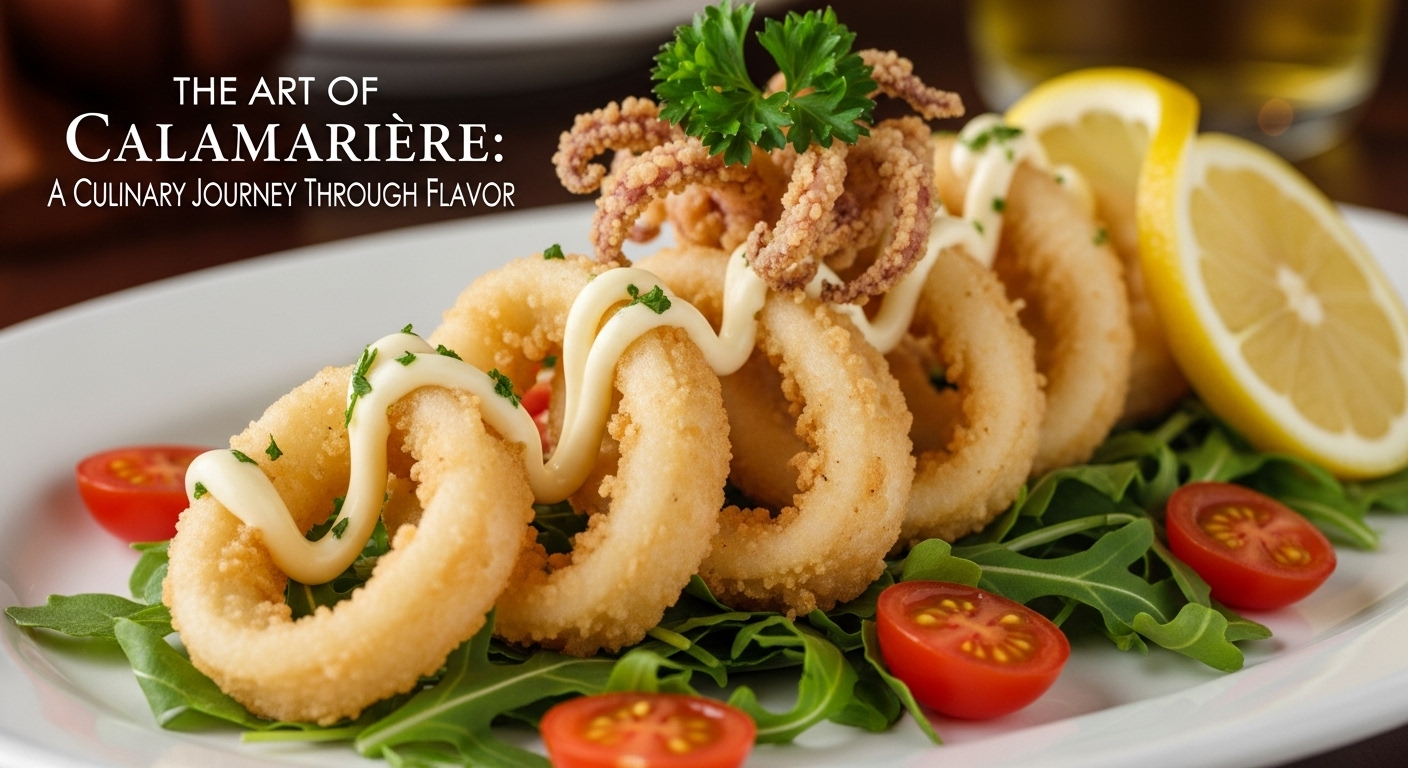
Calamariere is a culinary delight that transcends borders and tantalizes taste buds. Imagine the perfect balance of tender squid, seasoned with just the right herbs and spices, brought to life through various cooking techniques. This dish isn’t just food; it’s a journey through flavors that tells stories of cultures around the world. Whether you’re an adventurous foodie or someone looking to explore new dishes, calamariere offers something for everyone. Join us as we dive into its rich history, diverse variations, and exquisite recipes that celebrate this remarkable delicacy!
The History and Origins of Calamariere
Calamariere has a rich history that dates back centuries. Its roots trace to Mediterranean coastal regions, where fresh seafood was abundant and celebrated.
The word itself originates from the Italian “calamaro,” meaning squid. This dish first gained prominence in areas like Sicily, known for its vibrant culinary traditions involving seafood.
As trade routes expanded, calamariere evolved through different cultures. Each region infused its own flavors and techniques, making it a beloved delicacy worldwide.
From humble beginnings as a fishermen’s meal to gourmet restaurant fare, calamariere tells a story of adaptation and creativity in cooking. Today, it represents not just sustenance but also cultural identity across nations linked by their love for the sea’s bounty.
The Different Variations of Calamariere
Calamariere is a dish that showcases incredible versatility. Each region adds its own flair, resulting in delightful variations.
In Italy, you might savor calamariere prepared with a tangy marinara sauce or tossed with garlic and olive oil for a simpler approach. The crispy fried version often makes an appearance at festive gatherings, delighting taste buds everywhere.
Moving to Spain, calamariere takes on new dimensions. Here, it’s commonly featured in tapas bars as calamares a la romana—crispy rings served alongside rich aioli.
Meanwhile, Asian interpretations surprise the palate with bold ingredients like sesame oil and soy sauce. These dishes often incorporate fresh vegetables for added crunch.
Each variation tells its own story through flavors and techniques. Embracing these differences enhances the culinary journey of calamariere across cultures.
Techniques for Cooking Perfect Calamariere Dishes
Cooking calamariere requires finesse and attention to detail. Start with fresh ingredients; freshness is key for vibrant flavors.
Begin by cleaning the squid properly. Remove the skin and innards, then rinse under cold water. This step enhances texture and taste.
Next, choose your cooking method wisely. Grilling brings a smoky depth, while frying delivers crispy goodness. If you prefer something lighter, try steaming or sautéing for a tender result.
Marination can elevate your dish dramatically. A simple mix of lemon juice, garlic, and herbs infuses flavor without overpowering the natural essence of the squid.
Timing is crucial—overcooked calamariere becomes rubbery fast. Aim for just a few minutes on high heat to achieve that perfect tenderness.
Don’t forget garnishes! Fresh herbs or citrus zest can brighten up your plate and make it visually appealing as well as delicious. Enjoy experimenting with textures and tastes!
Must-Try Calamariere Recipes from Around the World
Calamariere takes many forms across the globe, each boasting unique flavors and techniques. In Italy, try Squid Ink Pasta. Its deep black hue adds drama to your plate while blending harmoniously with garlic and seafood.
Traveling to Spain? Don’t miss out on Calamares a la Romana. This dish features tender calamari rings coated in a light batter, served with zesty lemon for an unforgettable crunch.
In Japan, savor Ikasumi Risotto. Combining rich squid ink with creamy arborio rice creates an umami explosion that’s both comforting and innovative.
For something spicy, seek out Thai Stir-Fried Calamari. Tossed in chili paste and basil leaves, it delivers a punch of heat balanced by fresh herbs.
Each recipe highlights the versatility of calamariere while connecting you to diverse culinary traditions around the world. The journey through these dishes is just as exciting as their flavors!
Pairing Wine with Calamariere: A Guide for Foodies
Pairing wine with calamariere is an art that enhances the dish’s flavors. The delicate texture and subtle taste of this seafood delight call for thoughtful selections.
A crisp white wine, like a Sauvignon Blanc, complements the lightness of calamariere beautifully. Its acidity cuts through any richness in fried versions, balancing the meal perfectly.
If you’re opting for grilled or sautéed preparations, consider a lightly oaked Chardonnay. This choice adds depth while still allowing the natural flavors to shine.
For those who enjoy red wines, a chilled Pinot Noir can work wonders too. Its fruity notes harmonize surprisingly well without overpowering the star ingredient.
Remember to pay attention to sauces or seasonings used in your dish. A spicy marinara might pair nicely with a Zinfandel, adding another layer to your culinary experience. The key lies in experimenting and finding what resonates with your palate as you explore these delightful combinations.
The Cultural Significance of Calamariere in Different Regions
Calamariere holds a special place in the culinary landscape of various cultures. Its roots can be traced back to Mediterranean coastal regions, where fresh seafood was abundant and naturally integrated into local diets. In countries like Italy, Spain, and Greece, calamariere is not just a dish; it’s part of social gatherings and celebrations.
In Italy, for instance, calamariere often accompanies festive occasions such as weddings or family reunions. The preparation may vary from region to region, with unique spices and marinades that reflect local flavors. This adaptability allows the dish to resonate deeply within different communities while retaining its core essence.
Meanwhile, in Japan, squid dishes inspired by calamariere enjoy popularity during summer festivals. Grilled skewers are commonly enjoyed alongside beer or sake as people gather under fireworks lighting up the night sky. Here too lies a connection between food and celebration—a bond that transcends mere sustenance.
The cultural significance extends beyond taste alone. It carries stories of tradition passed down through generations—stories tied to fishing practices vital for community survival or recipes lovingly crafted by grandmothers who take pride in their heritage.
As we explore these varied interpretations across continents—from Mediterranean feasts bursting with flavor to Asian street markets filled with enticing aromas—the universal love for calamariere becomes evident. It’s more than just an ingredient; it’s woven into the fabric of societies worldwide—a testament to human creativity expressed through shared meals and rich histories.
 Leo
Leo