

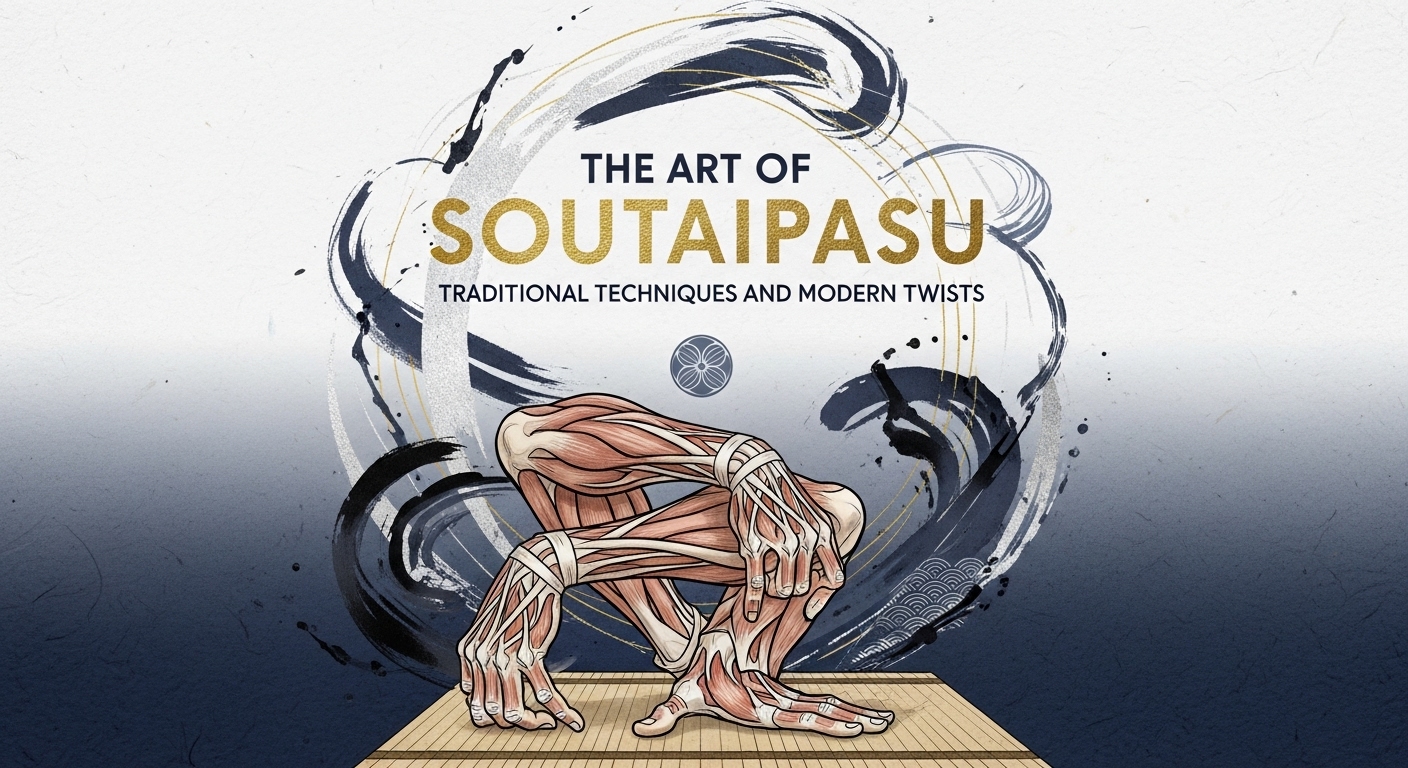
Soutaipasu is more than just a craft; it’s a vibrant expression of culture, creativity, and tradition. This intricate art form has captivated the hearts of many with its unique textures and patterns. Whether you’re an art enthusiast or simply curious about different crafts, exploring soutaipasu will take you on a journey through history and innovation. It seamlessly blends traditional techniques with modern twists, making it relevant in today’s world. Get ready to dive into the fascinating universe of soutaipasu—where every piece tells a story waiting to be discovered!
History and Origins of Soutaipasu
Soutaipasu traces its roots back centuries, deeply intertwined with the cultural fabric of Japan. This traditional craft emerged during a time when artisans sought to express their creativity through everyday objects.
Initially, Soutaipasu was created using natural materials found in local environments. Wood, bamboo, and fibers were commonly utilized for crafting intricate designs. Each piece tells a story of its origin and purpose.
As history unfolded, this art form evolved alongside various influences from other cultures. Trade routes opened up new possibilities for materials and techniques, enriching the original methods that defined Soutaipasu.
Through generations, it remained a symbol of craftsmanship and heritage. Today’s practitioners honor these historical foundations while adding personal flair to their creations. The journey of Soutaipasu reflects both tradition and adaptability in an ever-changing world.
Traditional Techniques:
Soutaipasu is an intricate craft that requires both skill and patience. Traditional techniques remain the heart of this art form.
Craftspeople rely on specific materials, such as natural fibers and dyes sourced from local plants. Each element plays a vital role in achieving an authentic look and feel.
Tools are equally important. Handcrafted looms, scissors, and even simple wooden frames are essential for creating these stunning textiles.
The step-by-step process begins with careful planning of designs followed by meticulous weaving or stitching. Artisans often incorporate symbols representing their culture, adding layers of stories to each piece.
Cultural significance runs deep within Soutaipasu. It’s not just about aesthetics; it conveys history, community values, and personal expression through every thread woven into the fabric.
A. Materials and Tools needed
To create exquisite Soutaipasu, you’ll need a handful of essential materials. Traditional textiles form the heart of this art. Cotton or silk often takes center stage, providing a rich canvas for vibrant designs.
Next on your list is dye. Natural dyes made from plants and minerals are preferred for their authenticity and eco-friendliness. They yield beautiful hues that enhance the fabric’s texture.
Tools also play a crucial role in Soutaipasu creation. A set of fine brushes allows precision when applying patterns or details. Scissors with sharp blades ensure clean edges while crafting intricate shapes.
Don’t forget about the workspace! A flat surface covered with protective cloth can help keep everything organized and tidy as you work through your creative process. Each item plays its part in bringing your vision to life, making it an engaging experience from start to finish.
B. Step-by-Step Process
The process of creating Soutaipasu is a blend of tradition and skill. First, gather your chosen materials. Cotton or silk threads are typical, showcasing their vibrant colors.
Next, prepare the workspace. A sturdy frame or hoop will keep your fabric taut. This step is crucial for precision in stitching.
Begin by sketching your design lightly on the fabric. It’s essential to have a clear vision before you start weaving intricate patterns.
Now, thread your needle and start with simple stitches along the outlines of your design. Pay attention to tension; it should be consistent throughout.
As you progress, layer additional colors and textures. This adds depth to the piece, making it visually engaging.
Finish with decorative borders that complement your work. Each stitch tells a story rooted in culture while still allowing room for personal expression.
C. Cultural Significance
Soutaipasu holds a deep cultural significance that stretches far beyond its aesthetic appeal. This traditional craft is a reflection of the community’s values and heritage, encapsulating stories passed down through generations.
Each piece created tells a tale of identity and resilience. The techniques used are often rooted in local customs, connecting artisans to their ancestors. It serves as a medium for expressing emotions, celebrations, and even sorrows.
Crafting Soutaipasu is not merely about creating art; it fosters social bonds within communities. Workshops bring people together, allowing knowledge transfer between elders and youth.
Moreover, these creations often play essential roles in rituals or festivities. They carry blessings or signify milestones in life—births, marriages, or memorials—making them integral to communal gatherings.
This rich tapestry of meaning transforms Soutaipasu into more than just craftsmanship; it’s an embodiment of culture itself.
Modern Twists:
Modern interpretations of Soutaipasu are breathing new life into this cherished art form. Contemporary artisans are experimenting with materials that push the boundaries of traditional craftsmanship.
Instead of solely relying on natural fibers, some artists incorporate synthetic elements, enhancing durability and flexibility. This blend opens up a world of possibilities for design.
Innovative designs reflect today’s aesthetic trends. Geometric patterns and bold color palettes replace more conventional motifs, making Soutaipasu appealing to modern sensibilities. These fresh looks attract younger audiences who appreciate both heritage and contemporary style.
3D printing technology is also making its mark in this field. It allows creators to craft intricate details that were previously labor-intensive or impossible by hand.
This fusion of old techniques with new technologies showcases the evolution of Soutaipasu while honoring its roots in cultural tradition. The future holds exciting potential for those willing to explore uncharted territory within this art form.
A. Contemporary materials and tools used
Soutaipasu has evolved beautifully with the times. Today, artisans are experimenting with modern materials that enhance both functionality and aesthetics.
Synthetic fibers have become popular for their durability and ease of maintenance. These materials offer a range of vibrant colors that traditional fabrics might not provide.
Innovative tools also play a significant role in this evolution. Laser cutters allow for precision designs that were once unimaginable, creating intricate patterns with minimal effort.
3D printing technology is making waves as well. It enables artists to craft unique components quickly, pushing the boundaries of creativity in Soutaipasu.
Additionally, eco-friendly options like natural dyes made from plants are gaining traction. They resonate with environmentally conscious consumers while preserving the essence of traditional artistry.
These contemporary advancements keep the spirit alive while opening doors to new horizons in design and expression.
B. Innovative Designs and Patterns
Innovative designs and patterns in Soutaipasu take this ancient craft into thrilling new territories. Modern artisans are experimenting with bold colors and geometric shapes, pushing the boundaries of tradition.
These fresh approaches breathe life into classic motifs. By reinterpreting age-old symbols, artists create pieces that resonate with today’s aesthetic sensibilities. This blending of past and present adds depth to each creation.
Textiles featuring intricate layering techniques bring a tactile quality to Soutaipasu art. The interplay between texture and color invites viewers to appreciate craftsmanship on multiple levels.
Moreover, digital tools allow for precision not possible before. Patterns can now be printed or embroidered with stunning accuracy, making them accessible for mass production while retaining an artistic touch.
As these innovative designs emerge, they challenge perceptions of what Soutaipasu can be—transforming it from a traditional craft into a dynamic form of contemporary expression.
How to Incorporate Soutaipasu in Your Daily Life:
Soutaipasu is not just an art form; it’s a way to breathe life into your everyday surroundings. Incorporating this beautiful craft into your daily life can add unique flair and cultural significance.
One simple way to start is by using soutaipasu pieces as home decor. Think about hanging tapestries or wall art that showcase intricate designs. They tell stories and celebrate heritage, making every room feel special.
Consider adding soutaipasu-inspired items to your wardrobe too. Scarves or bags featuring traditional patterns can become statement pieces that spark conversations wherever you go.
In the kitchen, look for pottery or serving dishes crafted with soutaipasu techniques. Not only do they elevate your dining experience, but they also connect you with the rich history behind them.
For those who love DIY projects, try creating your own soutaipasu-inspired crafts at home. This could be anything from painting furniture to redesigning clothing with these artistic motifs.
Sharing this craft within your community can deepen its appreciation and inspire others. Host workshops or simply share what you’ve learned through social media platforms.
Embracing soutaipasu in daily life creates a vibrant connection between tradition and modernity while enriching both personal style and shared experiences.
 Leo
Leo